
Madeira in the Quiet Season: Why Autumn and Winter Are Worth Exploring by Car
From November to March, Madeira offers a different kind of holiday. The busiest summer months are behind it, the landscapes become greener, and the southern coast retains a mild climate compared with much of Europe.
What the quiet season does bring, however, is more changeable weather. Sunshine can give way to rain, mountain viewpoints can disappear into fog, and some roads and walking trails may be temporarily closed.
This is where having a car makes a real difference. Madeira is just 57 km long, but its mountainous terrain creates distinct microclimates. You can leave a cloudy Funchal morning behind and find very different conditions on the western coast or in the lower valleys.
Rather than following a fixed sightseeing schedule, you can choose where to go according to the weather.
Here is how to make the most of Madeira by car during autumn and winter, from the best areas to explore to practical driving advice and a flexible three-day itinerary.
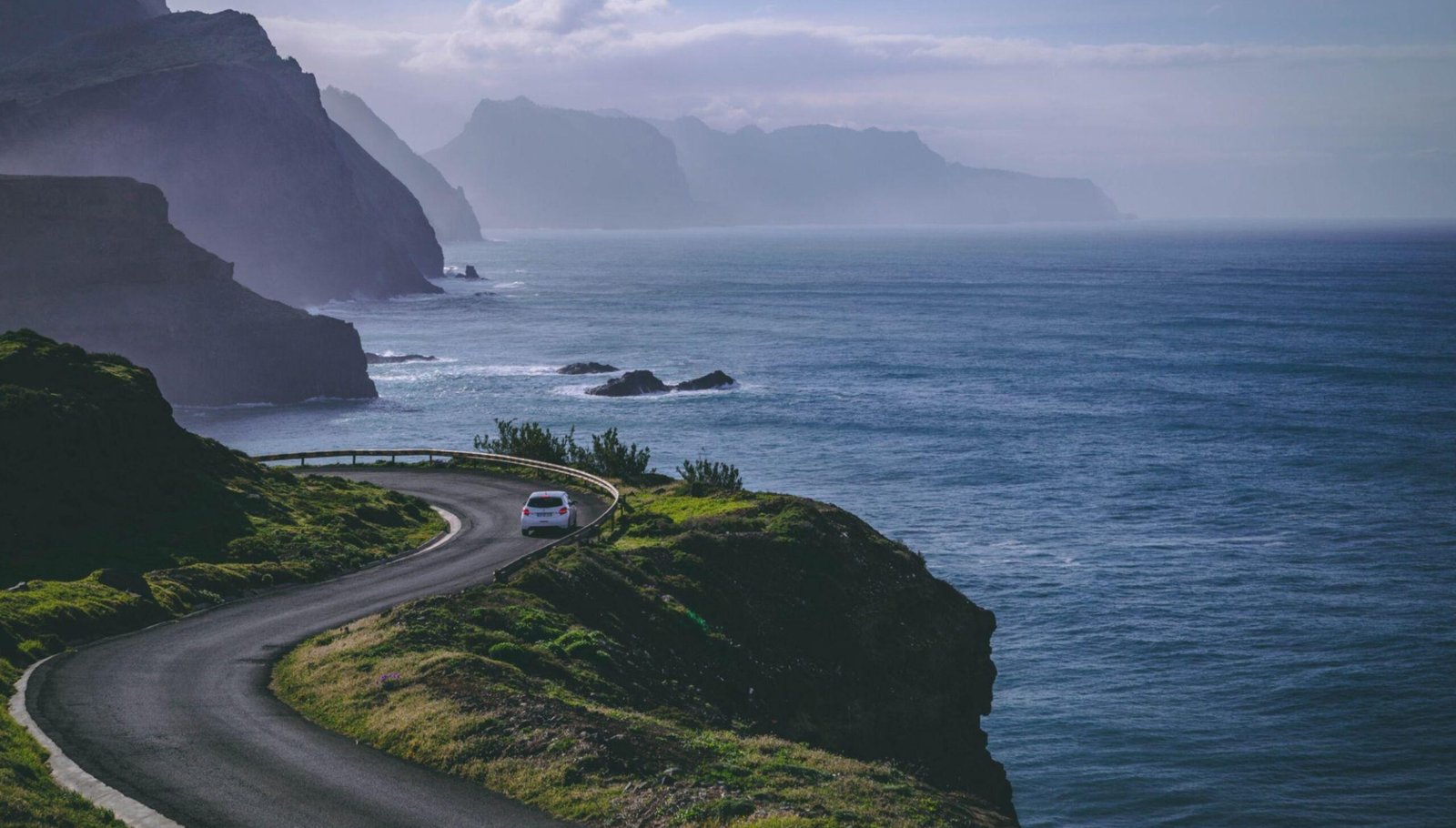
What the Quiet Season Really Feels Like
Quiet season does not mean that Madeira shuts down. Funchal remains active, restaurants and attractions continue operating, and many coastal destinations are enjoyable throughout the winter.
According to Visit Madeira’s official weather guide, the island has a mild climate throughout the year. Along the coast, average winter temperatures typically range from around 16–18 °C, while summer averages are closer to 24–25 °C. Coastal areas are usually milder than the higher mountain regions.
What changes most is the atmosphere. There are generally fewer visitors than during the peak summer months, particularly outside Christmas and New Year. Some popular destinations can feel more relaxed, although visitor numbers and parking availability still vary by location and date.
The main trade-off is less predictable weather. Rainfall becomes more frequent, particularly in the north and at higher elevations. Strong winds, fog and occasional snow can affect mountain access.
For many independent travellers, this is not necessarily a disadvantage. With a flexible itinerary, you can make the most of the conditions rather than planning every day around a single destination.
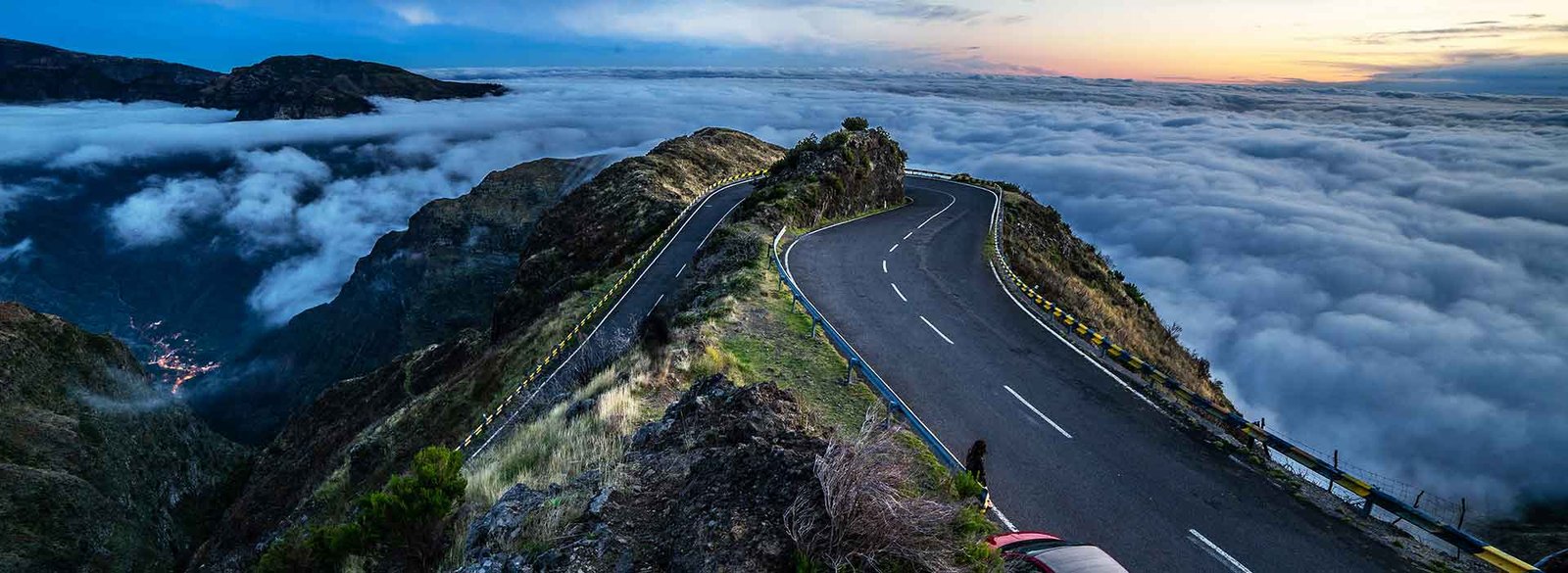
Madeira’s Microclimates: Why a Car Makes a Difference
Madeira’s mountainous interior creates significant differences in weather across relatively short distances.
The southern coast is generally warmer and drier, while the north coast and higher elevations are more exposed to Atlantic weather systems. The result is a variety of conditions that can change considerably during a single day.
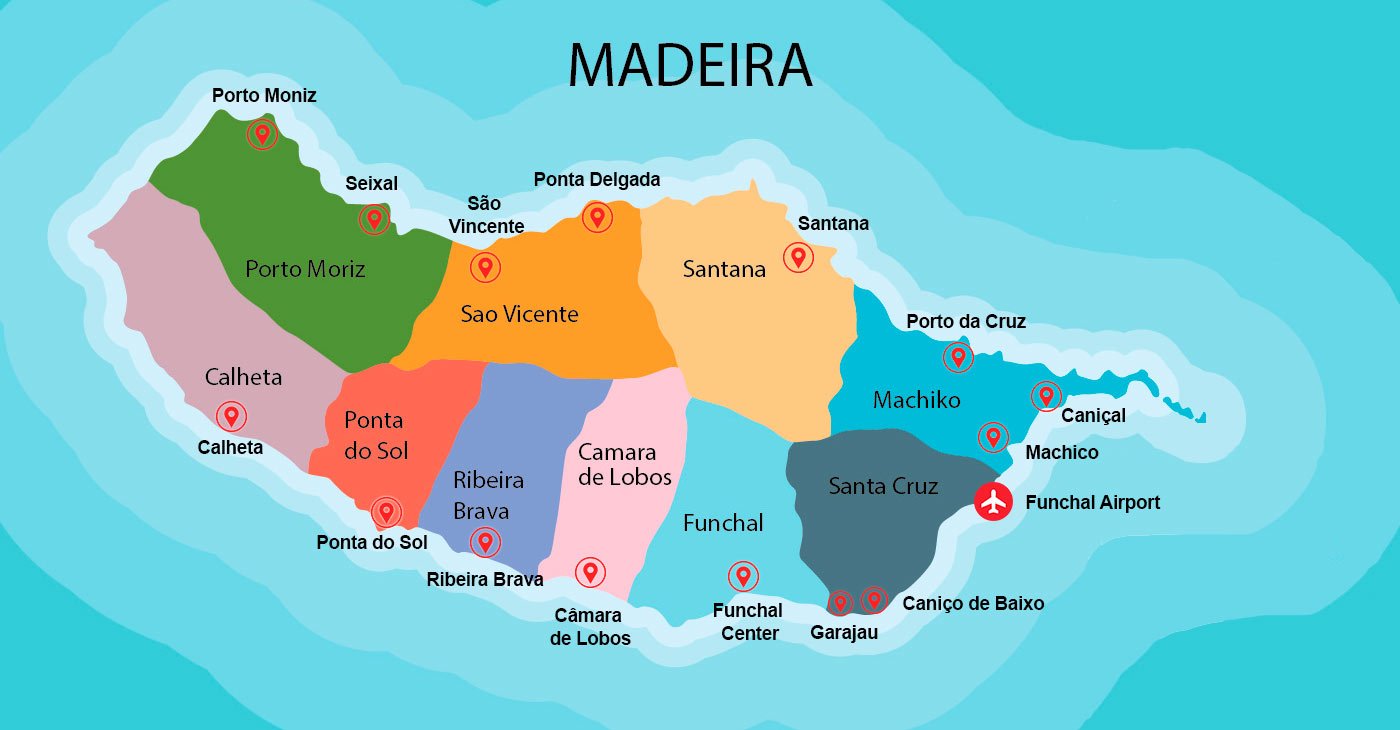
- South coast – Funchal, Câmara de Lobos, Ponta do Sol and Calheta: Generally milder and sunnier, making these areas good options when the mountains are covered in cloud.
- North coast – Porto Moniz, São Vicente, Santana and Seixal: Greener, often wetter and more exposed to changing weather. Particularly atmospheric when the clouds lift.
- Mountain interior – Pico do Areeiro, Paul da Serra and Fanal: Cooler, with fog, low cloud and stronger winds possible even when coastal conditions are pleasant.
You might find sunshine around Ponta do Sol while the mountains remain completely covered in cloud. On another day, the northern coastline may offer spectacular views while Funchal experiences showers.
A rental car allows you to change direction and choose a more suitable destination without depending entirely on fixed public transport timetables.
The key is to check conditions in different parts of the island rather than relying on a single forecast for Funchal.
For an overview of the island’s different regions, see our guide to car hire locations in Madeira.
Driving in Madeira During Rain, Fog and Strong Winds
Madeira’s roads are challenging in places throughout the year. During autumn and winter, additional care is needed because of wet surfaces, reduced visibility and rapidly changing mountain conditions.
Driving in the Rain
Rain makes steep roads and winding bends more demanding, particularly after a prolonged dry period.
When driving in wet conditions:
- Reduce your speed and increase the distance from the vehicle ahead.
- Brake earlier and progressively rather than suddenly.
- Avoid sharp steering movements.
- Use a lower gear on long descents where appropriate, helping the engine control your speed.
- Take extra care on painted road markings, metal drain covers and slippery surfaces.
- Watch for water running across the road or collecting in low sections.
Even after rainfall stops, some roads may remain wet. Do not assume that conditions have improved everywhere simply because the weather looks better.
Driving in Fog
Fog is particularly relevant when travelling through the mountains and higher inland areas.
Visibility can deteriorate quickly, sometimes within a short distance. A clear coastal morning does not guarantee good conditions at Pico do Areeiro or Paul da Serra.
If you encounter dense fog:
- Reduce your speed considerably.
- Use dipped headlights and appropriate fog lights when visibility requires them.
- Avoid full beam headlights, which can reflect off the fog and make visibility worse.
- Maintain a greater distance from the vehicle ahead.
- Avoid stopping on the carriageway or in places with poor visibility.
- If conditions become too difficult, find a safe place to stop or turn back.
A viewpoint covered in cloud may not be worth reaching if the journey itself becomes unsafe.
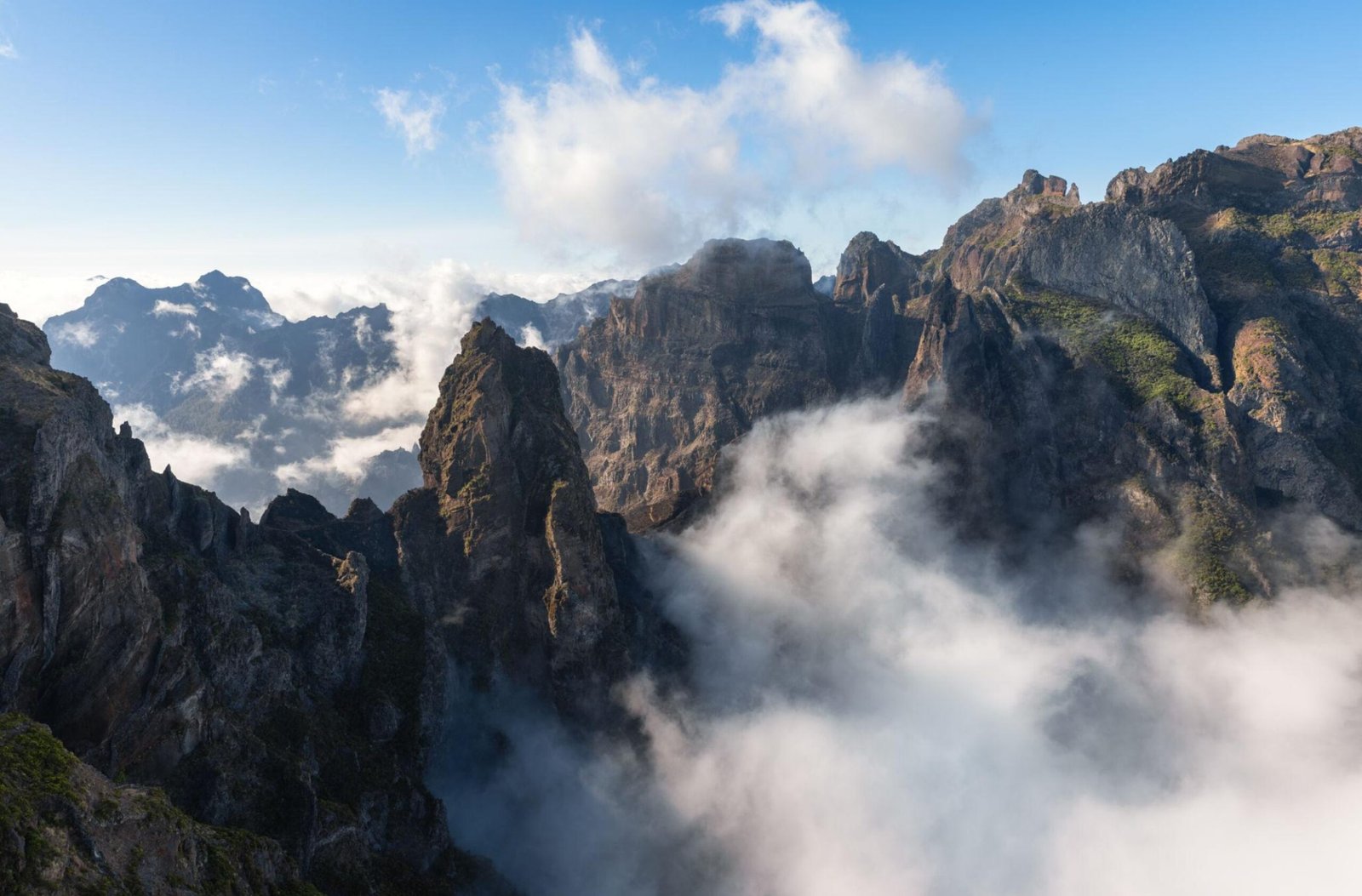
Driving in Strong Winds
Some exposed coastal and mountain roads can experience strong gusts, particularly near open ridges and cliff edges.
Keep both hands on the steering wheel where appropriate, reduce speed and take extra care when passing exposed sections.
If an official weather warning is in force, reconsider your plans rather than attempting to reach a particular viewpoint at all costs.
Before a mountain trip, check the IPMA weather forecast and official warnings. Pay particular attention to the mountain forecast, not just the conditions in Funchal.
For more general advice, see our guide to Driving in Madeira: Essential Road Safety Tips.
The Best Places to Explore by Car in the Quiet Season
Some parts of Madeira are particularly enjoyable during the quieter months. Others are better visited when visibility and weather conditions are favourable.
1. Funchal, Câmara de Lobos and the Southern Coast
The southern coast is a practical choice when mountain conditions are uncertain.
Start in Funchal, where you can explore the Old Town, the waterfront, Mercado dos Lavradores and the city’s gardens. Continue west towards Câmara de Lobos, a traditional fishing town with a picturesque harbour and colourful boats.
Nearby, Cabo Girão offers impressive views from its glass skywalk, while Ribeira Brava and Ponta do Sol are attractive stops for a slower coastal drive.
This route is particularly suitable for a relaxed day without committing to a long journey through the mountains.
Practical tip: If the higher elevations are covered in cloud, keep to the coastal route and enjoy the lower-altitude viewpoints instead.
2. Ponta do Sol, Calheta and Porto Moniz
The western coast offers a combination of coastal scenery, small settlements and dramatic Atlantic views.
Ponta do Sol is a pleasant place to stop for a walk along the waterfront. Further west, Calheta has a marina and an artificial sandy beach, making it a convenient place for a longer break.
Continue towards Porto Moniz, famous for its natural volcanic swimming pools. Nearby Seixal is known for its dark volcanic sand, green surroundings and spectacular coastline.
The road between these destinations is part of the experience, with tunnels, winding coastal sections and changing views.
Practical tip: Check the forecast before heading towards the north-west. Rain and stronger winds can make exposed coastal viewpoints less comfortable.
3. Santana and the Northern Coast
Santana is one of the island’s most recognisable destinations, known for its traditional triangular thatched houses.
It also provides a good starting point for exploring the northern side of Madeira, including São Jorge and the surrounding coastal villages.
The northern landscape is particularly lush during the wetter months. Waterfalls, green valleys and dramatic mountain slopes create a different atmosphere from the sunnier southern coast.
São Vicente is another worthwhile stop, with its attractive valley setting and access to the northern coastline.
Practical tip: Allow additional time for the winding roads between the coastal settlements and inland areas. If visibility deteriorates, stay at lower elevations rather than continuing towards mountain viewpoints.
4. Ribeiro Frio and Fanal
For visitors interested in Madeira’s natural landscapes, the interior offers some of the island’s most memorable scenery.
Ribeiro Frio is surrounded by the Laurissilva forest, a UNESCO World Heritage Site, and is a popular starting point for nature walks.
Further west, Fanal is famous for its ancient laurel trees, often surrounded by atmospheric mist. During the quieter season, the combination of moss-covered branches, low cloud and green pastures can create particularly striking scenery. Fog, however, can make both driving and walking considerably more difficult.
Practical tip: Visit when visibility is reasonably good and check the status of nearby walking routes before travelling.
5. Ponta de São Lourenço
The eastern peninsula offers a landscape that looks very different from the rest of Madeira.
Instead of dense green vegetation, you will find rugged volcanic terrain, open cliffs and panoramic views across the Atlantic.
The area is popular with walkers, but even visitors who do not plan a long hike can enjoy the drive towards Caniçal and the surrounding viewpoints.
Unlike some sheltered coastal locations, Ponta de São Lourenço is particularly exposed to wind.
Practical tip: Check the wind forecast before setting off. If conditions are too exposed for a comfortable walk, enjoy the scenery from accessible viewpoints instead.
Roads That May Close in Autumn and Winter — and How to Check
Most of Madeira’s main road network operates throughout the year. However, temporary closures and restrictions can occur because of heavy rain, landslides, fallen trees, snow, ice or maintenance work.
Mountain routes deserve particular attention. The road towards Pico do Areeiro, for example, has experienced temporary closures during snowfall. Other high-altitude roads can also be affected by adverse weather.
There is no reliable fixed list of roads that will close during winter. Conditions need to be checked on the day of travel.
Before setting off:
- Check the regional road information published by the Madeira Regional Directorate for Roads.
- Consult current incident and road notices, following the links to official announcements.
- Check the IFCN classified walking trails page if your journey includes a levada or mountain walk.
- Check weather warnings from IPMA.
Remember that road access and trail access are two separate things. A road may be open while the walking route at your destination is closed or restricted.
It is always worth having an alternative destination ready rather than relying on a single mountain viewpoint.
A Flexible Three-Day Road Trip for the Quiet Season
The following itinerary is a practical framework rather than a fixed schedule. The idea is to choose each day’s destination according to the weather forecast.
Day 1 – Funchal and the Southern Coast
Start with Funchal’s Old Town, waterfront and gardens. Continue west towards Câmara de Lobos and Cabo Girão.
If conditions are pleasant, drive further towards Ribeira Brava and Ponta do Sol.
This is a relatively flexible day, with several coastal stops and opportunities to shorten or extend the route.
Day 2 – The Northern Coast or Laurissilva Forest
Check the weather before deciding where to go.
If visibility is good, head towards São Vicente, Seixal and Porto Moniz. Enjoy the coastal scenery and allow time for stops along the way.
If the north is particularly wet, consider a lower-altitude route or a sheltered forest area instead, provided the relevant access and trail conditions are suitable.
Day 3 – Mountains or Eastern Madeira
If the mountains are clear and access is confirmed, consider an early drive towards Pico do Areeiro.
Allow enough time for the journey and check conditions before leaving. If visibility deteriorates, do not continue simply to complete the itinerary.
If the mountains are covered in cloud, choose an alternative such as Machico, Caniçal or Ponta de São Lourenço, depending on the wind forecast and access conditions.
The advantage of this approach is simple: you are not tied to a particular destination when the weather changes.
Practical Checklist Before You Set Off
A little preparation can make winter driving around Madeira considerably easier.
Before a longer journey, check the following:
- Check the forecast for your destination, not just Funchal.
- Review IPMA warnings for rain, wind, fog and snow.
- Confirm that planned roads and attractions are accessible.
- Check the official status of walking trails if you intend to hike.
- Make any required trail reservations in advance.
- Keep an alternative destination in mind.
- Allow extra time for winding roads and photo stops.
- Take a light waterproof jacket and warmer layers for mountain areas.
- Keep your mobile phone charged and download offline maps.
- Plan your return journey with enough daylight.
You do not need extensive winter equipment for a typical coastal holiday, but having suitable clothing and a flexible plan is particularly useful when travelling between different elevations.
Frequently Asked Questions
Is it worth hiring a car in Madeira during winter?
Yes, particularly if you want to explore different parts of the island rather than staying mainly in Funchal. A car makes it easier to reach coastal villages, viewpoints and walking areas, while allowing you to adjust your plans to changing weather conditions. You can browse available automatic cars and check options for your dates.
How rainy is Madeira during autumn and winter?
Rain is generally more frequent than during summer, especially on the northern coast and in the mountains. The southern coast is often milder and can enjoy sunny periods between showers. Conditions vary considerably from day to day.
Can you drive to Pico do Areeiro in winter?
Yes, when the road is open and conditions are suitable. However, snow, ice, strong winds and poor visibility can result in temporary restrictions or closures. Check the latest road information and weather warnings before travelling.
Is it dangerous to drive in Madeira when it rains?
Not necessarily, but wet roads require additional care. Reduce speed, increase following distance and brake progressively. Take particular care on steep descents, sharp bends and roads with standing water. If conditions become severe, postpone the journey. For more detailed advice, see our Driving in Madeira road safety guide.
Do I need a 4×4 to explore Madeira in winter?
No. Most visitor destinations are accessible via paved roads, and an ordinary suitable rental car is sufficient for the usual sightseeing routes. Choose a vehicle that matches your itinerary and stay on public surfaced roads. Our practical guide to the best car for Madeira’s roads can help you decide.
Are levada walks open during winter?
Some walking routes remain accessible throughout the year, but individual trails can be restricted or closed because of weather, maintenance or safety concerns.
From 2026, classified walking routes (PR) also require advance reservations through the official SIMplifica platform. Check the latest Visit Madeira hiking information before planning a walk.
Is it safe to hike in Madeira during the rainy season?
It can be, provided the route is officially open and conditions are suitable. Heavy rain, strong winds, fog and slippery surfaces can increase the risks, particularly on exposed mountain paths and near waterfalls or steep slopes.
Never ignore official trail restrictions. If a route is closed or conditions deteriorate, choose another activity.
What should I pack for a winter road trip around Madeira?
Bring comfortable walking shoes, a waterproof jacket and a few layers of clothing. Coastal temperatures can be mild, while mountain areas may be considerably colder and windier. A charged mobile phone and offline navigation maps are also useful.
Discover Madeira at Your Own Pace
Autumn and winter offer a different perspective on Madeira. The island becomes greener, the coastal towns retain their relaxed atmosphere, and the mountains can be particularly impressive when the weather is clear.
The best approach is to stay flexible. Choose your destinations according to the conditions, allow extra time for mountain roads and never make a particular viewpoint or walking route more important than safety.
If you are planning to explore beyond the main tourist areas, having a suitable car can make the journey more convenient.
You can browse the Girassol.Rent fleet of automatic cars and check availability for your travel dates. The right vehicle is simply one that makes it easier to enjoy the island at your own pace.
If you have questions about routes, current road conditions or arranging pick-up, feel free to contact our team. We are happy to help.