Why the company type matters more than the headline price
Search for car hire in Madeira and you will find dozens of offers that look almost identical: a small automatic car, a daily rate, an airport pick-up. The differences that affect your trip, and your bank balance, are usually further down the booking flow.
The island has steep gradients, narrow mountain roads and quick changes in weather. In that setting, the practical details matter. Who holds your deposit, whether a credit card is required, what your insurance really excludes and how you collect the car at the airport will shape the trip far more than a few euros on the daily rate.
This guide explains the main types of operator on Madeira, the four phrases that are often confused with one another, and the checks worth making before you pay. It is written so that you can use it whichever company you choose. For a step-by-step look at the booking process, read our earlier guide, How to Hire a Car in Madeira.
The main types of car hire on Madeira
Most offers on the island fall into four broad categories. Each has typical strengths and trade-offs. None is better in every case. The right choice depends on how you want to pay, how you drive and how much certainty you need before you arrive.
Local Madeiran operators
These are island-based companies, often with a single depot or a small network of delivery points.
Typical features: payment options that may include debit cards or cash; meet-and-greet delivery to the airport or your accommodation; smaller fleets, sometimes with a focus on automatic cars.
Typical trade-offs: fleet size is limited, so availability on popular dates can run out; terms vary from one company to another; a website’s presentation does not always reflect how the service works in practice.
If you want an automatic car and would rather not put a large sum on a credit card, this category deserves a close look. Local operators are also more likely to explain island-specific conditions, such as the regional usage fee, in plain language.

Portuguese and multi-island operators
These companies work across Portugal or several islands, with Madeira as one destination among several.
Typical features: a middle ground between local flexibility and network-style procedures; standardised contracts; a wider range of vehicle classes.
Typical trade-offs: airport collection may mean a shuttle rather than a personal meet-and-greet; deposit rules can differ between rates for the same car; the person handling your collection may be less familiar with the island.

International networks
These are internationally known brands, usually represented at the airport by a franchise or partner business.
Typical features: consistent booking systems, familiar processes and a desk inside or beside the terminal.
Typical trade-offs: a physical credit card is often required for the deposit, and the amount held can be substantial; extras and cover upgrades are often offered at the counter, where there can be pressure to decide quickly; the operating standards of the local business may differ from what you expect from the brand.
Brokers and comparison platforms
These websites do not necessarily own cars. They resell the inventory of several operators, sometimes including those in the categories above.
Typical features: side-by-side comparison and a single booking flow.
Typical trade-offs: the company you collect from may only be confirmed after booking; the broker’s terms and the operator’s terms can differ; resolving a problem may involve two parties rather than one. A low headline price on a comparison site is not the same as the final checkout total.

Four phrases that are not the same thing
This is the most useful distinction in the Madeira car hire market. The phrases below are often used as if they mean the same thing. They describe four separate conditions. A company may offer one, several or none of them.
“No credit card” This usually means you can pay for the rental with a debit card, and sometimes in cash. It does not automatically mean that no deposit is required. Some companies accept a debit card for payment but still ask for a credit card, or a cash deposit, as security.
“No deposit” This means that no refundable sum is blocked or charged at collection. It is a stronger promise than “no credit card”, and it directly affects how much money you need on the day. Ask whether the deposit is a card pre-authorisation (a hold) or a real charge.
“Zero excess” The excess is the amount you remain liable for in the event of damage. “Zero excess” reduces that liability to nothing, but only for the risks the cover includes. It says nothing about whether a deposit is taken, and it does not remove exclusions.
“No money held after an incident” This describes what happens after damage occurs: whether any sum is retained, charged or blocked while a claim is assessed. It is separate from both the excess and the deposit, and it is rarely stated clearly on a booking page. If it matters to you, ask before you book.
A useful habit: When a company uses one of these phrases, ask it to explain exactly what it means for your booking, and get the answer in writing.

Deposits, excesses and card rules
The deposit is the part of car hire that most often surprises travellers, partly because it is described in several different ways.
Card pre-authorisation (a hold). The company reserves a sum on your card without taking it. The money stays in your account but is unavailable for the length of the rental. Holds are used by many international networks and by some Portuguese operators. The amount depends on the car and the cover you choose, and it can be large, so ask for the figure.
Real charge. Some companies charge a deposit to your card or take it in cash, then refund it after the car is returned. The practical effect is similar to a hold, but the money genuinely leaves your account for a period. This matters if your budget is tight.
Card type rules. A debit card and a credit card are not always interchangeable for security purposes. Some operators require a credit card in the main driver’s name for the deposit, even when they accept a debit card for payment. If you only have a debit card, confirm the deposit method in writing before you book. Misunderstandings on this point are a common reason for trouble at collection.
The excess is not the deposit. The excess is your potential liability for damage. The deposit is the money held against that liability. A company can have a high excess and a low deposit, or the reverse. When you compare offers, record both figures separately.
The money you need on collection day is the rental cost plus any deposit that is charged or held. Two offers with the same rental price can require very different amounts of available funds.
Automatic cars and Madeira’s roads
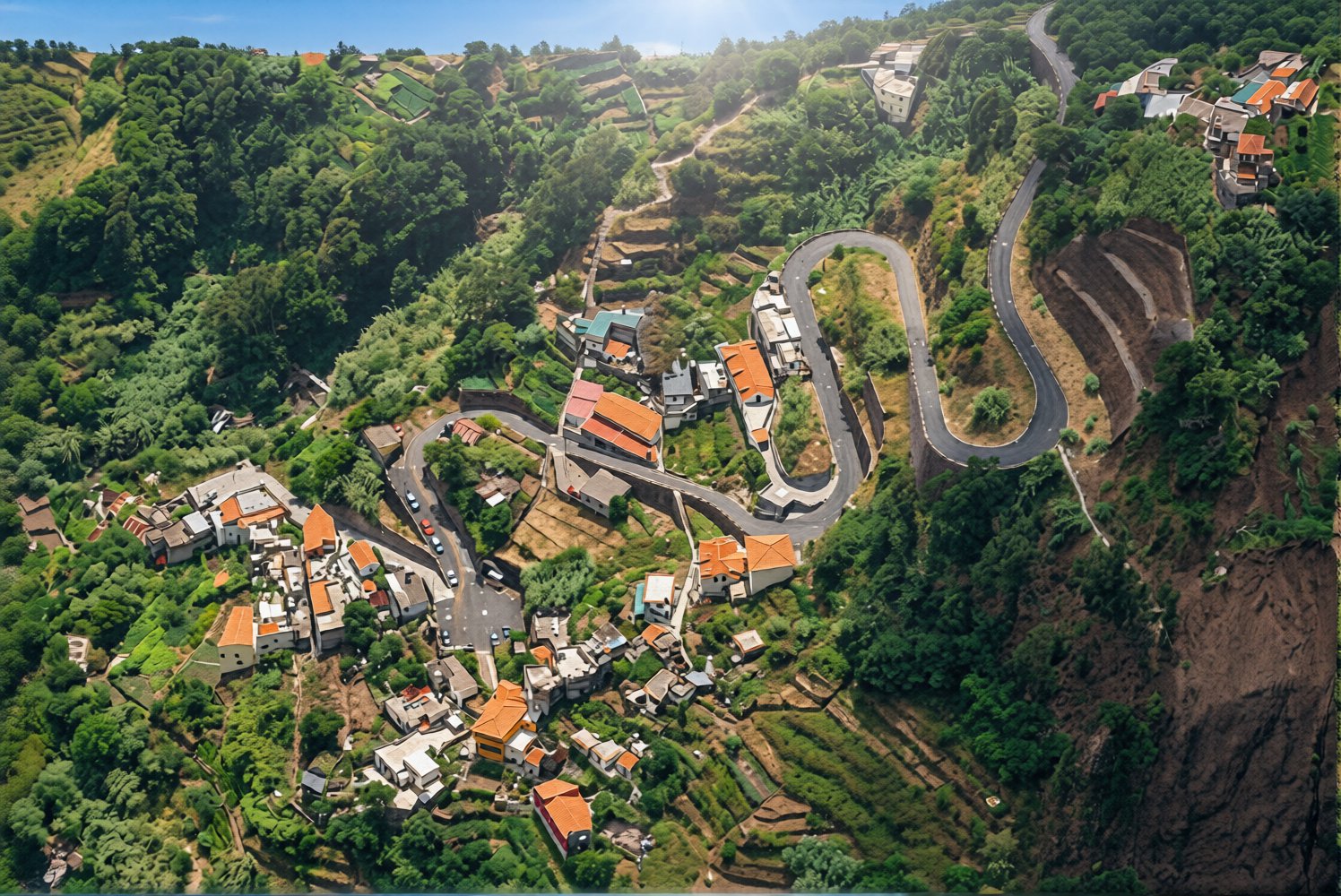
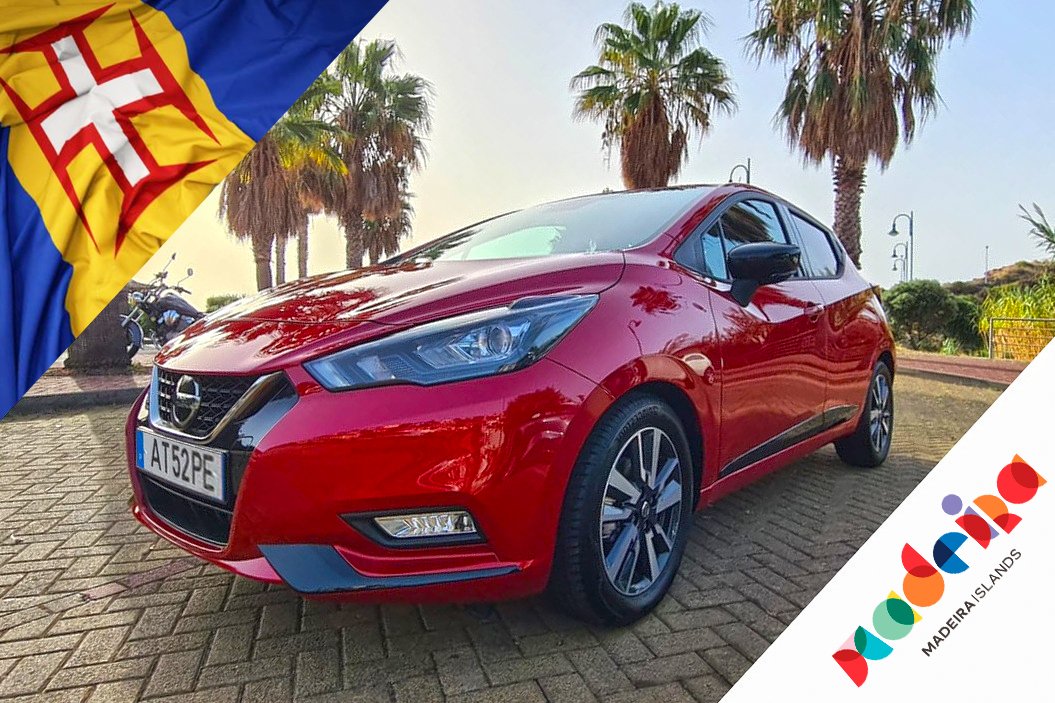
Automatic transmission is not a luxury on Madeira. For many visitors it is the sensible choice. The roads climb steeply, turn sharply and often require a hill start on a slope. An automatic removes the risk of stalling on a gradient and lets you focus on the road.
Automatic cars are not always easy to find, and fleets on the island can be small. If you need one, book early and check that the confirmed booking states automatic transmission, rather than leaving it to the collection desk.
Choose a manual only if you are comfortable with hill starts and narrow descents. The gearbox is not the only consideration. Vehicle size matters too. A compact car is easier to park in Funchal and on mountain roads, while a larger car may suit families or travellers with a lot of luggage. Our guide to the best car for Madeira’s roads covers this in more detail.
Insurance: what “full cover” usually leaves out
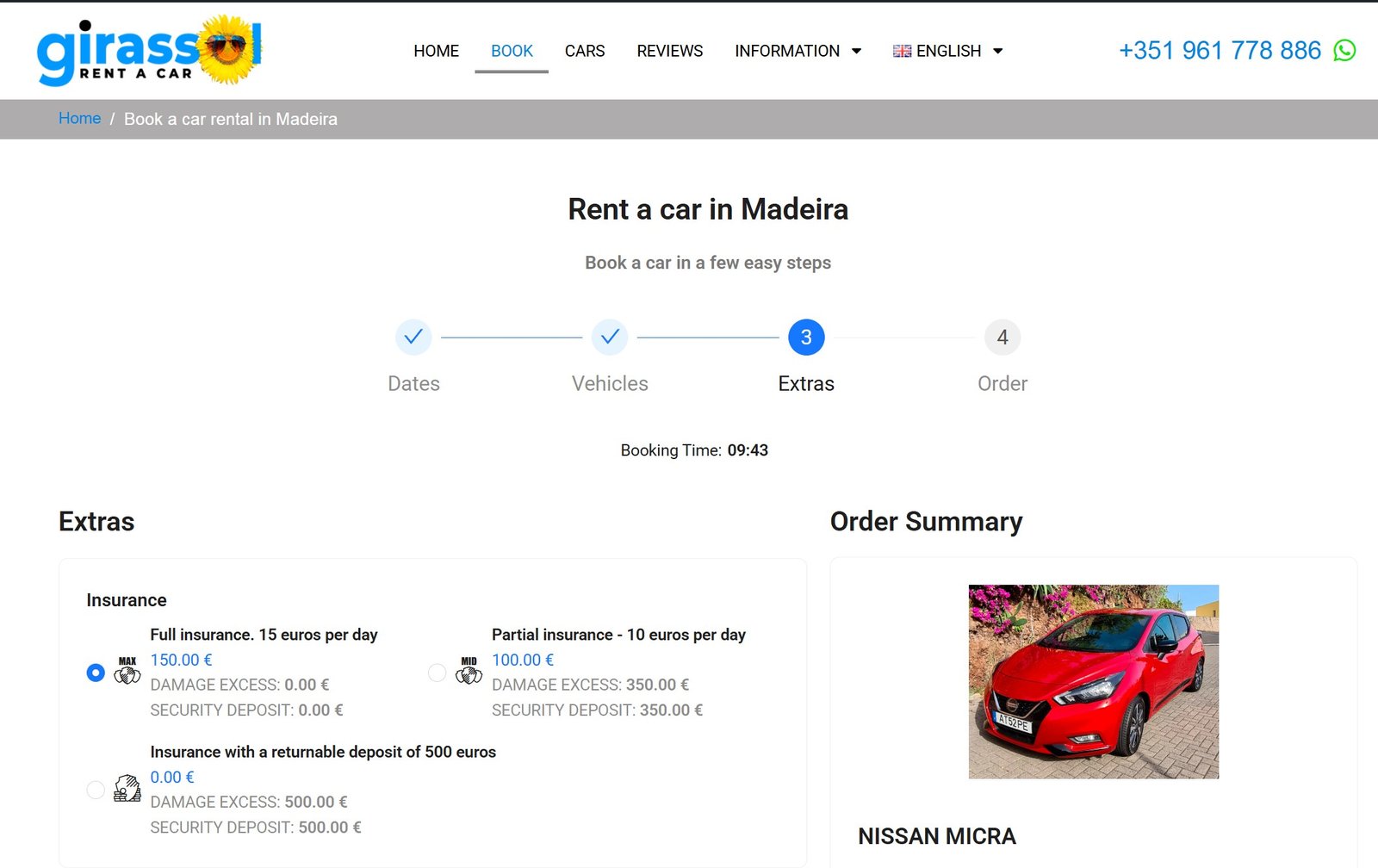
“Full insurance” is one of the least standardised phrases in the industry. It usually reduces your excess, but it rarely removes every cost.
Common exclusions, even under comprehensive or zero-excess packages, include:
- tyres and wheel damage
- the underside of the car
- glass, including windscreens and mirrors
- damage caused by negligence, such as driving or parking off surfaced roads, or ignoring warning lights
- misfuelling
- lost or damaged keys
- towing and recovery charges in some circumstances
The wording matters as much as the label. Read the exclusions section and check whether the cover comes from the operator or from a third party. Third-party cover can require you to pay the operator first and claim the money back afterwards. That is a very different experience from cover arranged at the desk.
Our explainer on car hire insurance in Madeira sets out the common structures in more detail. When you compare two offers, compare their exclusion lists, not only their excess figures.
Airport collection: three models, three experiences
How you collect the car at Madeira Airport (FNC) can vary, and the differences are worth knowing in advance.
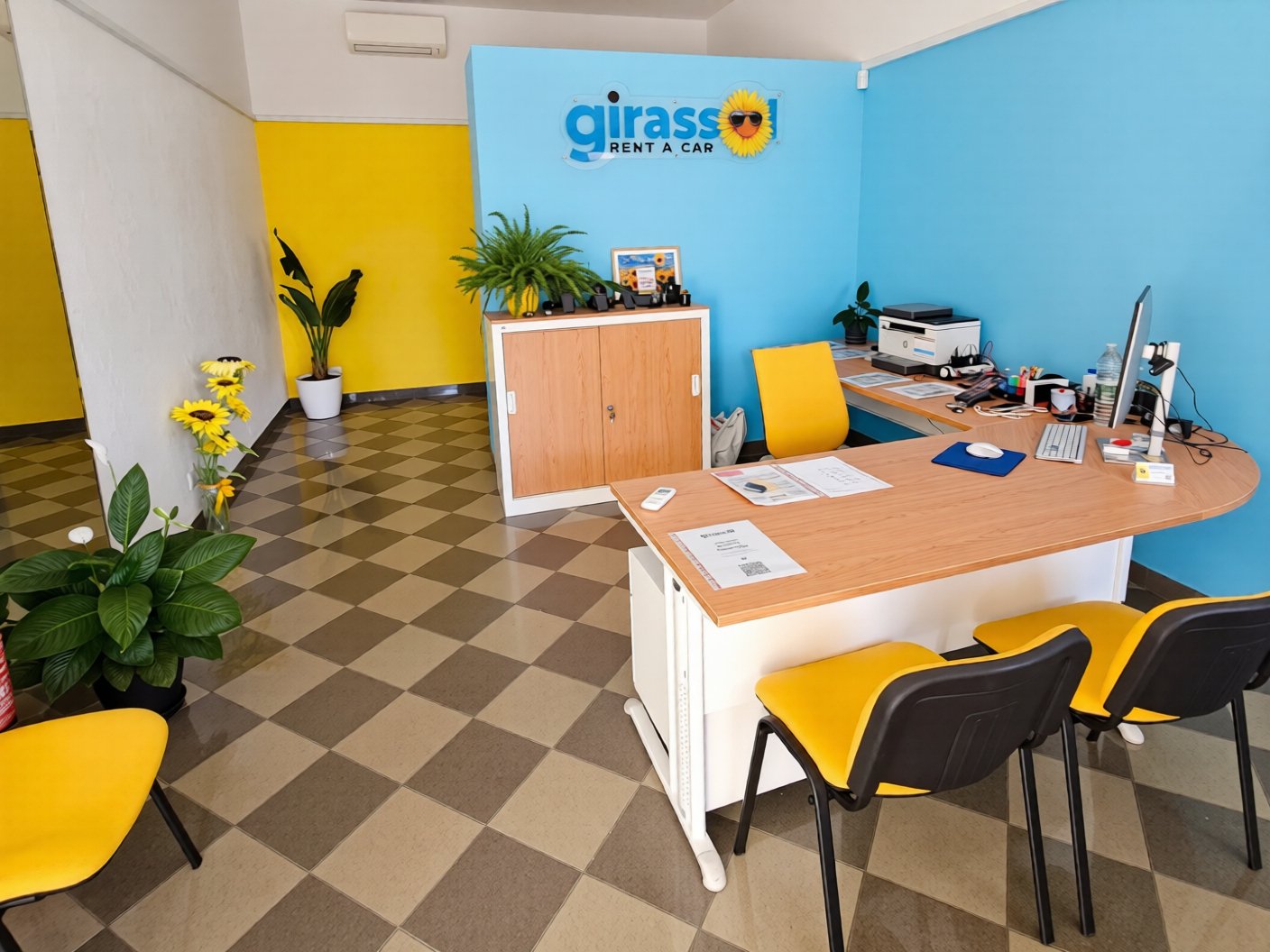
Terminal desk. You walk from arrivals to a desk inside or beside the terminal, complete the paperwork and collect the car from the nearby car park. This is the most familiar model. Check how long the process takes at the time of your arrival.
Meet-and-greet. A representative meets you in arrivals with the keys and walks you to the car. It is quick and personal, and it is found more often among local operators. Confirm the meeting point and how you will recognise the representative.
Shuttle. A minibus takes you to an off-airport depot. This can work well, but it adds a step and may run to a timetable. Check whether the shuttle is included or charged, and whether it runs outside normal hours.
Each model can carry different fees. Airport, out-of-hours and delivery charges are often disclosed late in the booking process, so check the itemised breakdown rather than the headline rate. A car that looks cheaper at the search stage can cost more once these are added.
The final checkout is the real price
A common problem in the Madeira market is a gap between the advertised price and the amount shown at the final checkout. Sometimes the airport fee differs from the figure in the terms. Sometimes a regional charge only appears at the last step.
Compare final checkout totals, not headline rates. Before you pay, look for an itemised breakdown that separates:
- the rental charge
- the regional usage fee
- airport or delivery fees
- the cover package
- any refundable deposit, shown separately from the rental cost
Madeira has introduced a mandatory regional usage fee for rentals of vehicles without a driver. Our article on the new regional usage fee in Madeira explains what it is and why it appears on the bill.
If a figure in the terms does not match the checkout, treat the checkout as the price you will actually pay, and ask the company to confirm it in writing.

Read the terms before you pay
The checkout total tells you what you will pay on the day. The terms tell you what happens if something changes. Look for these points in particular:
- Cancellation and changes: the deadline, and any fee charged if you miss it. Some operators charge a number of days’ rental for late changes or cancellations.
- Late or early collection: whether a missed collection, a late collection or an early return is refunded or charged.
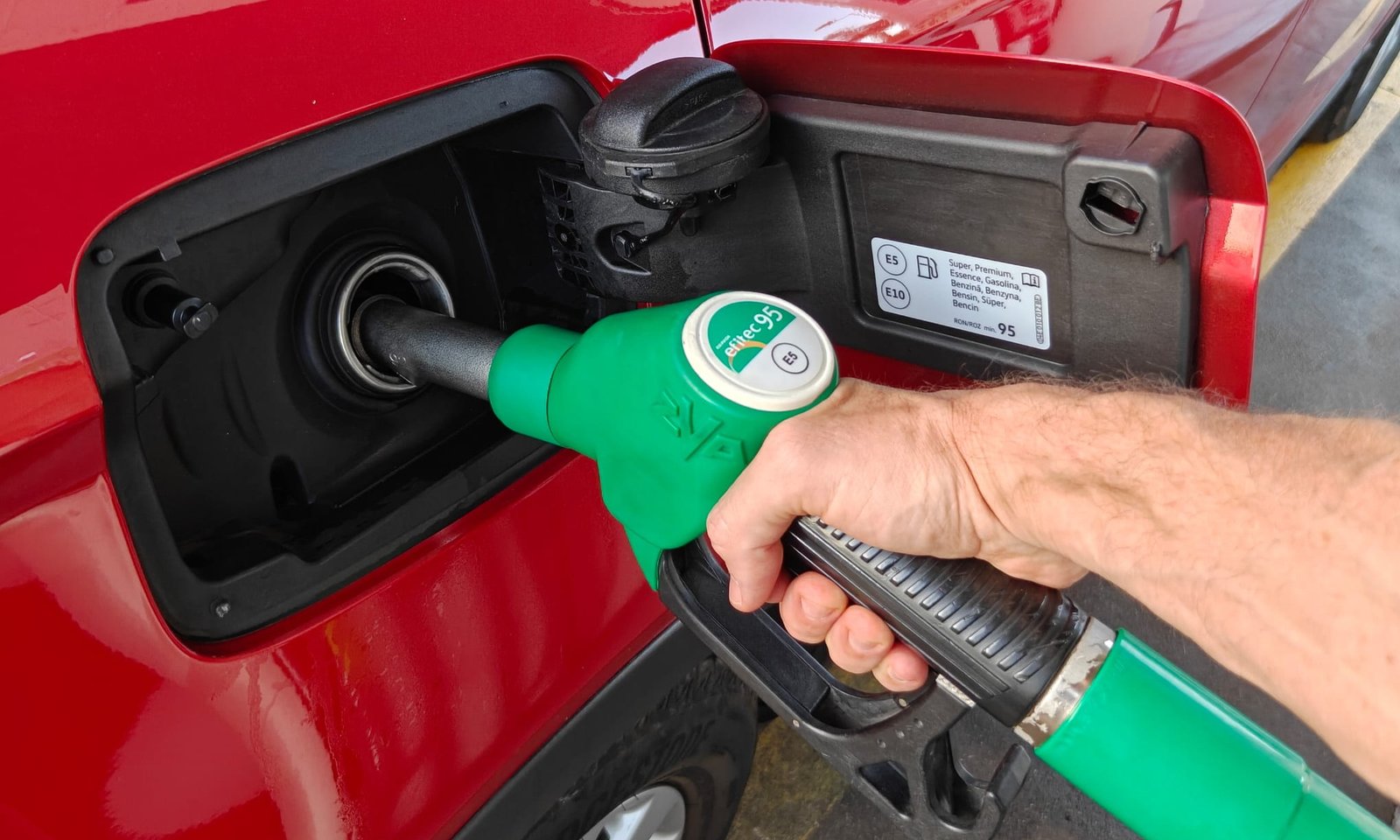
- Misfuelling: the fee for using the wrong fuel. These fees can be large, and they can apply even when no visible damage occurs. Know which fuel your car takes before you leave the desk.
- Fuel policy: full-to-full, full-to-empty or prepaid, and whether unused fuel is refunded (it often is not).
- Who may drive: age limits, additional driver fees and any young-driver surcharge.
- Where you may go: whether you may take the car off the island, and any restrictions on unpaved roads.
Take photos or video at collection and return, and make sure any existing damage is recorded on the damage report before you drive away.
A practical checklist before you book
Use this list to compare any two offers on equal terms.
- Transmission: is automatic confirmed in the booking, not just requested?
- Deposit: how much, by what method, and is it a hold or a real charge?
- Card rules: is a physical credit card required, and in whose name?
- Excess: what is the figure, and does the chosen cover reduce it?
- Exclusions: tyres, glass, underside, negligence and keys. Which apply?
- Collection: terminal desk, meet-and-greet or shuttle, and what does each cost?
- Fees: airport, out-of-hours, additional driver and regional usage fee.
- Final total: does the checkout match the terms, and is the deposit shown separately?
- Fuel policy: full-to-full, full-to-empty or prepaid?
- Cancellation: what is the deadline, and what is kept if you cancel late?
If you cannot answer every line from the company’s own pages, ask before you book. A clear answer is a good sign. A vague one tells you something too.

Matching the company to your trip
There is no single best model, only the best fit for your circumstances.
If you want an automatic car, would rather not block a large deposit and value a personal welcome at the airport, a local operator may suit you. If you need a particular vehicle class, want a familiar booking process or are collecting at an awkward hour, a larger network or a multi-island operator may be a better fit. If you want to compare many options quickly, a broker can help, provided you read the operator’s terms as well as the broker’s.
A sensible approach is to shortlist two or three companies that match your priorities, then compare them on the checklist above rather than on the daily rate alone.

Girassol.Rent is a Madeira company with an automatic-only fleet. If your dates are fixed, check availability early. Whichever company you book with, the checks in this guide will help you avoid the most common surprises.
Want to talk through your dates, the car class or any of the terms above? Our team at Girassol.Rent can answer your questions before you book.

Phone / WhatsApp / Telegram: +351 961 778 886
Email: book@girassol.rent
Book online: https://girassol.rent/car_booking_madeira/
Frequently asked questions
Do I need a credit card to hire a car in Madeira? Not always. Some operators accept debit cards or cash. Others, including some international networks and Portuguese operators, may require a physical credit card for the deposit. Confirm the rule for your specific booking before you travel.
Is a deposit the same as an excess? No. The excess is your potential liability for damage. The deposit is money secured against it. An offer can have a high excess and a low deposit, or the reverse. Record both separately.
Is “full insurance” really full? Rarely. Comprehensive packages usually keep exclusions for tyres, glass, the underside and negligence. Read the exclusion list, not just the label.
Is an automatic car necessary on Madeira? Not strictly, but it makes the steep, winding roads considerably easier. If you need one, book early and confirm it in the booking.
Why does the final price differ from the advertised one? Airport fees, delivery charges, the regional usage fee and cover options are often added late. Compare the itemised checkout total, not the headline rate.
Before you drive, read driving in Madeira: essential road safety tips. It covers the road conditions, rules and habits worth knowing.