
Car Hire Insurance in Madeira Explained: Full Cover, Partial Cover and Excess
Insurance is the part of hiring a car that most people skim past at the booking stage, and then remember at the moment when the stone wall on a mountain bend turns out to be a little closer than expected. It does not have to be complicated – but on Madeira it has to be read slightly differently from the way you would read it for a flat mainland motorway. Get to grips with the three cover levels you will usually be offered, understand what “excess” really means, and take in the small number of situations where liability stays with the driver whatever level you have chosen, and the rest of the decision takes about two minutes.
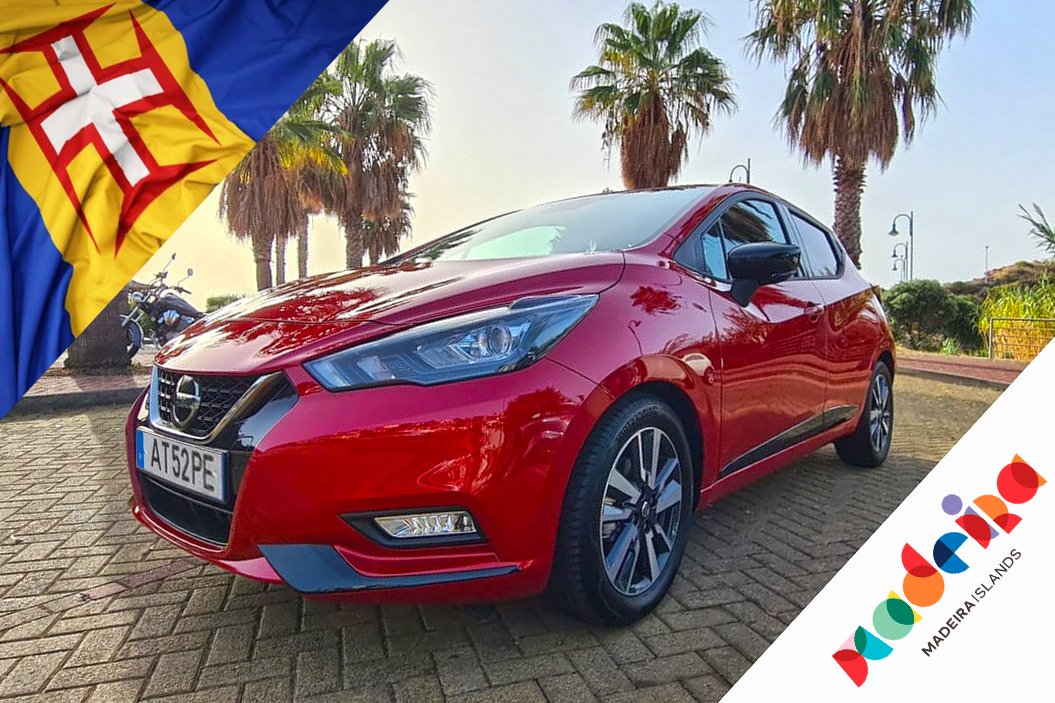
The three levels of cover you will meet
Most car hire companies on Madeira, Girassol.Rent included, offer some version of the same three-tier structure. The names differ from operator to operator, but the logic on the island is the same.
| Cover level | How it works | Typical daily cost at Girassol.Rent |
|---|---|---|
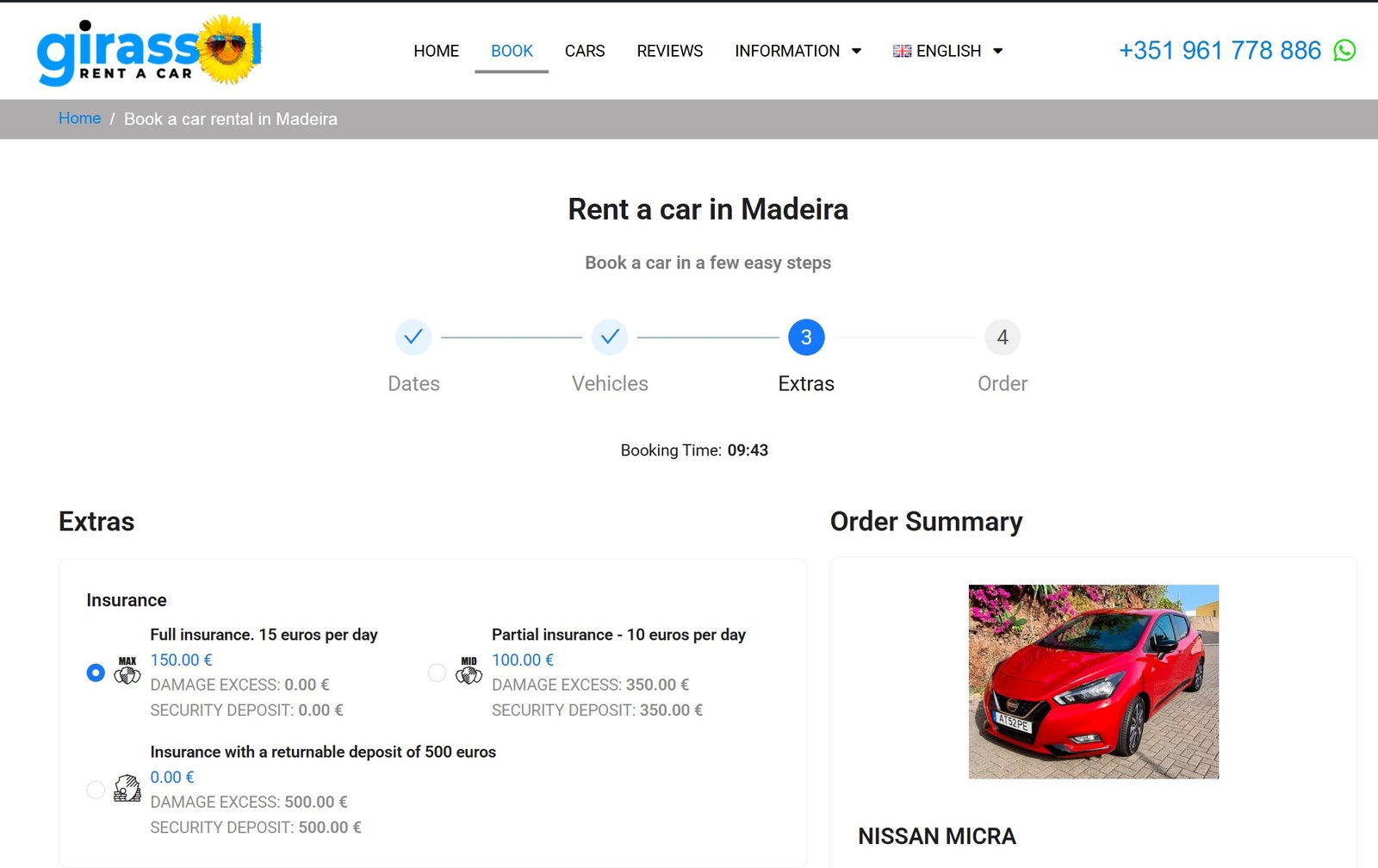
| Full cover | Removes your liability for bodywork, glass, tyres and underbody | €15/day |
| Partial (basic) cover | Reduces your liability for most damage, but excludes specific parts of the car | €10/day + €350 refundable deposit |
| Deposit only (no daily premium) | No insurance fee; a refundable deposit is held instead | €0/day + €500 deposit |
At Girassol.Rent, full cover costs €15 a day, is chosen by around 95% of our clients, and extends to bodywork, glass, tyres and underbody. Partial cover costs €10 a day plus a refundable €350 deposit, and specifically excludes wheels and glass: if a kerb or a stone damages a tyre, a rim or a windscreen, that cost stays outside the policy. The third option – a refundable €500 deposit with no daily insurance fee – suits drivers who are confident in their own experience and would rather not pay a premium every day. Under that option your maximum liability for damage of any kind is capped at the €500, and it is returned in full if the car comes back as it went out.
What “excess” actually means
The excess (sometimes shown as a “deductible” on policies written for other markets) is the amount you pay yourself when the car is damaged, before any insurance cover applies. It is not a fine and not a penalty: it is simply the line between “the insurer pays” and “you pay”.
A cheap-looking daily rate with a large excess and a long list of exclusions can end up costing considerably more than a slightly higher rate with fuller cover, if anything goes wrong. This is the single most useful thing to check when comparing two quotes: the daily rate tells you what the hire costs if nothing happens, while the excess and the list of exclusions tell you what it will cost if something does.
What basic cover usually leaves out
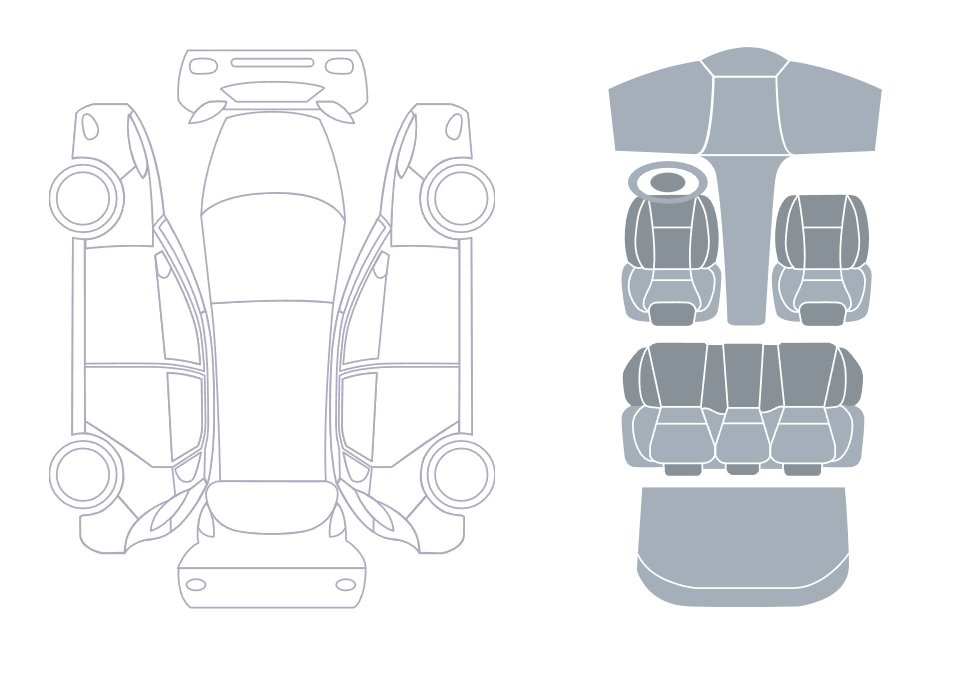
Basic and partial policies across the industry – not only at Girassol.Rent – tend to exclude the same handful of items, because these are precisely the parts of a car most often damaged in ordinary driving rather than in a collision:
- Tyres and wheels — most often caught by kerbs, potholes and gravel verges.
- Windscreens and windows — stone chips, especially on gravel and unsurfaced stretches.
- Wing mirrors — easily clipped when passing on narrow streets or squeezing past walls at the roadside.
- Underbody — most often scraped on steep driveways and when parking on uneven ground.
These exclusions exist because they really are the most common source of small claims wherever cars are hired.
Why Madeira’s roads make these exclusions matter more than usual
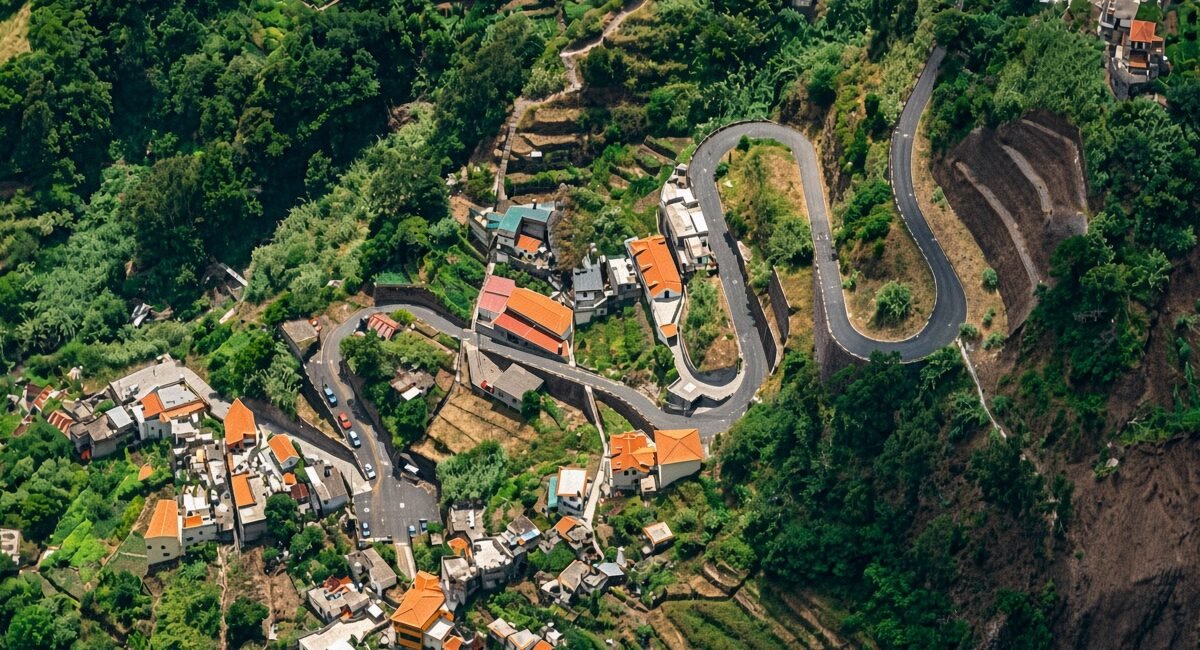
On a flat motorway network on the mainland, the exclusions in a basic policy rarely come up: clipping a kerb at speed on a straight road is not easy. Madeira is a different environment. Many of the island’s roads were laid out for an older, smaller generation of cars, long before modern vehicles reached today’s average width:
- Narrow village streets with stone walls, where a wing mirror or a wheel rim is genuinely at risk when cars pass each other.
- Hairpins with low stone kerbs on the climbs into the central mountains, where a slightly wide line catches a wheel more easily than it would on a gentle bend.
- Unsurfaced and loose-surface parking at some viewpoints and trailheads, where the ground itself is uneven.
- Loose chippings on some of the older regional roads (ER) – the most likely source of a small windscreen chip.
None of this makes driving on Madeira risky in any sense that should put you off: thousands of visitors drive here every week without incident. It means only that the specific exclusions in a basic policy – wheels, glass, mirrors – come up here more often than on a typical mainland hire, and that is worth knowing before you choose a cover level rather than after.
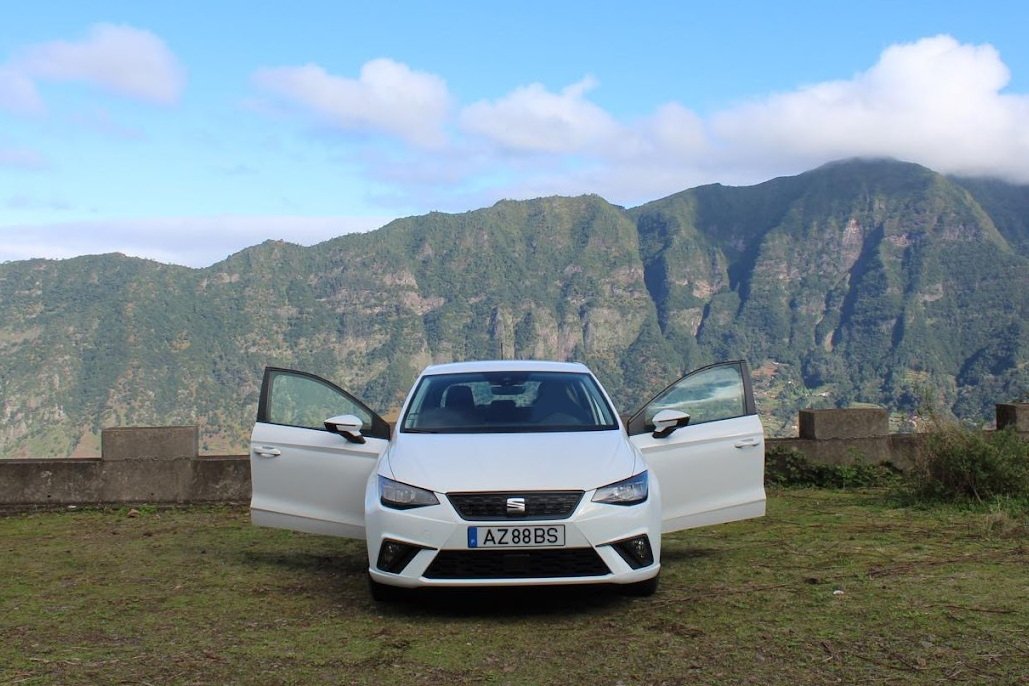
For general road conditions and how to handle them, see our page Driving in Madeira: Essential Road Safety Tips.
Full cover: what it takes off your plate
Full cover at Girassol.Rent (€15 a day) closes the gaps described above: bodywork, glass, tyres and underbody are included, and because the cover is comprehensive there is no inspection at pick-up or return – the car is simply handed over and handed back.
That is a genuinely wide safety net, and it is why around 95% of our clients choose it. But “full” does not mean “anything”, and the situations in the next section are not gaps that a higher premium closes. They sit outside the insurance logic altogether, because they depend on what the driver does rather than on what happens to the car.
What no cover level removes: the exclusions that always apply
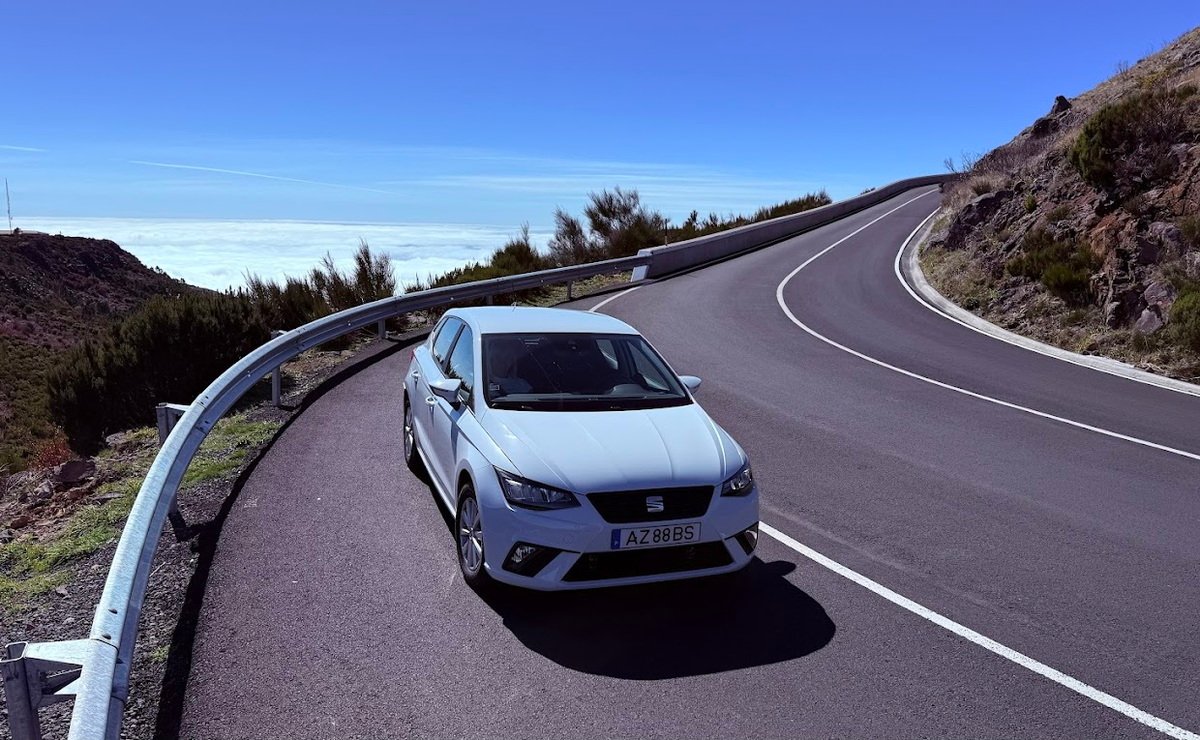
The rental contract contains a clause prohibiting driving off surfaced roads – and by surfaced we mean asphalt or concrete. On Madeira this is not a technicality: a great many of the places where visitors naturally slow down or park are not meant for parking at all – the surface there is earth, with loose stones and open drainage channels. That is where damage to wheels, sills and underbody comes from.
Every cover level sold on Madeira – ours and every other operator’s – leaves the same six situations with the driver. Read about them once and they are easy to live with. Skip them, and they become the most common reason a car hire bill comes in above the holiday budget.
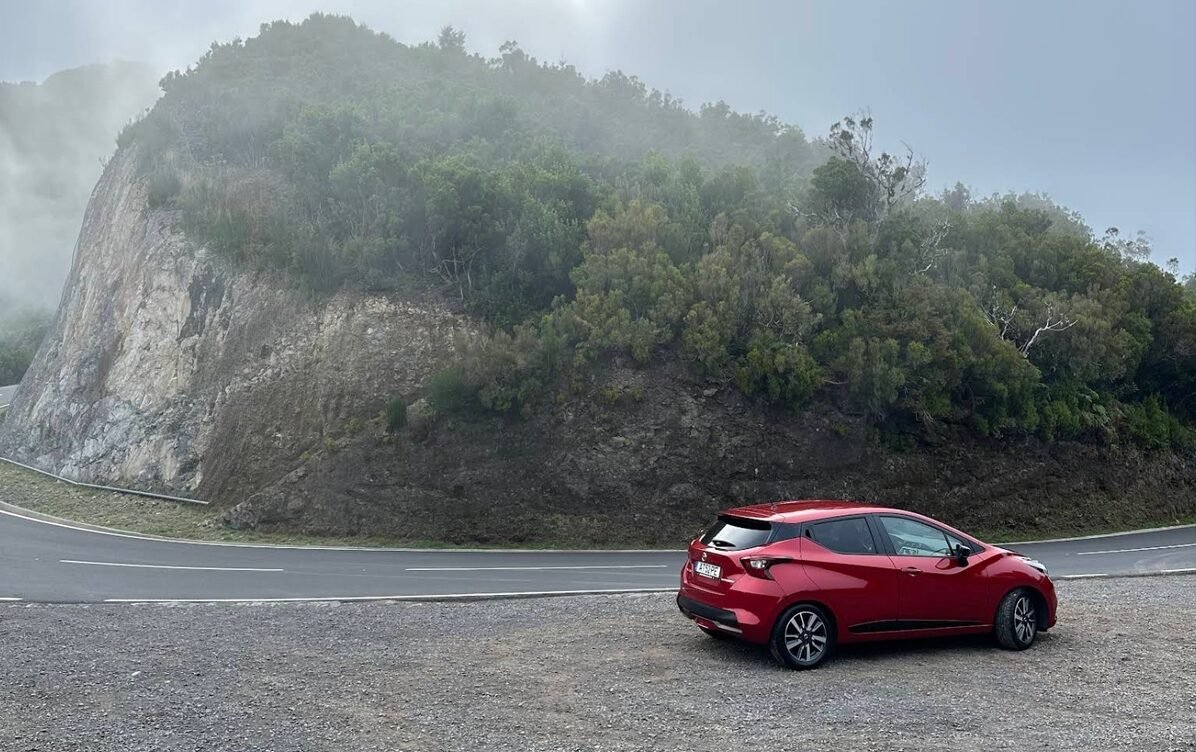
1. Driving and parking off a surfaced road
The rental contract prohibits driving the car off public roads. In practice that means the car stays on a hard-surfaced road – asphalt or concrete – and nothing else counts as a surfaced road.
Damage sustained while the car is off a surfaced road remains the hirer’s liability even with full cover. There is more on this in the parking section below: it is the exclusion visitors run into by accident more often than any other.
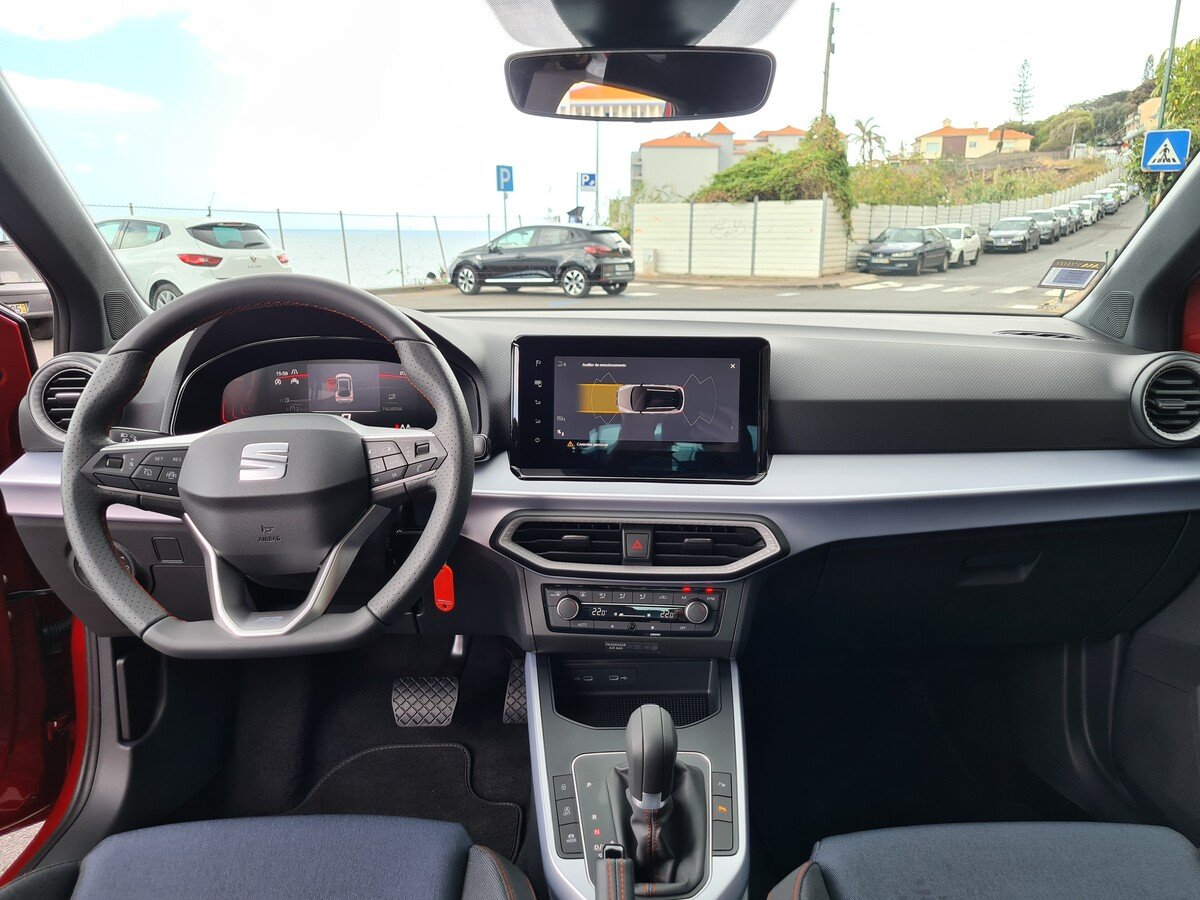
2. Damage to the interior
Interior damage is excluded at every cover level, full cover included. Seats, upholstery, trim, the dashboard, door panels and boot lining are not covered if they are stained, torn, burnt or soaked – and that applies equally to an accident and to an ordinary week of beach days. Wet wetsuits and towels, spilled drinks, sun cream on the seats, sand worked into the boot carpet and cigarettes all fall into the same category. Smoking is not permitted in our cars.
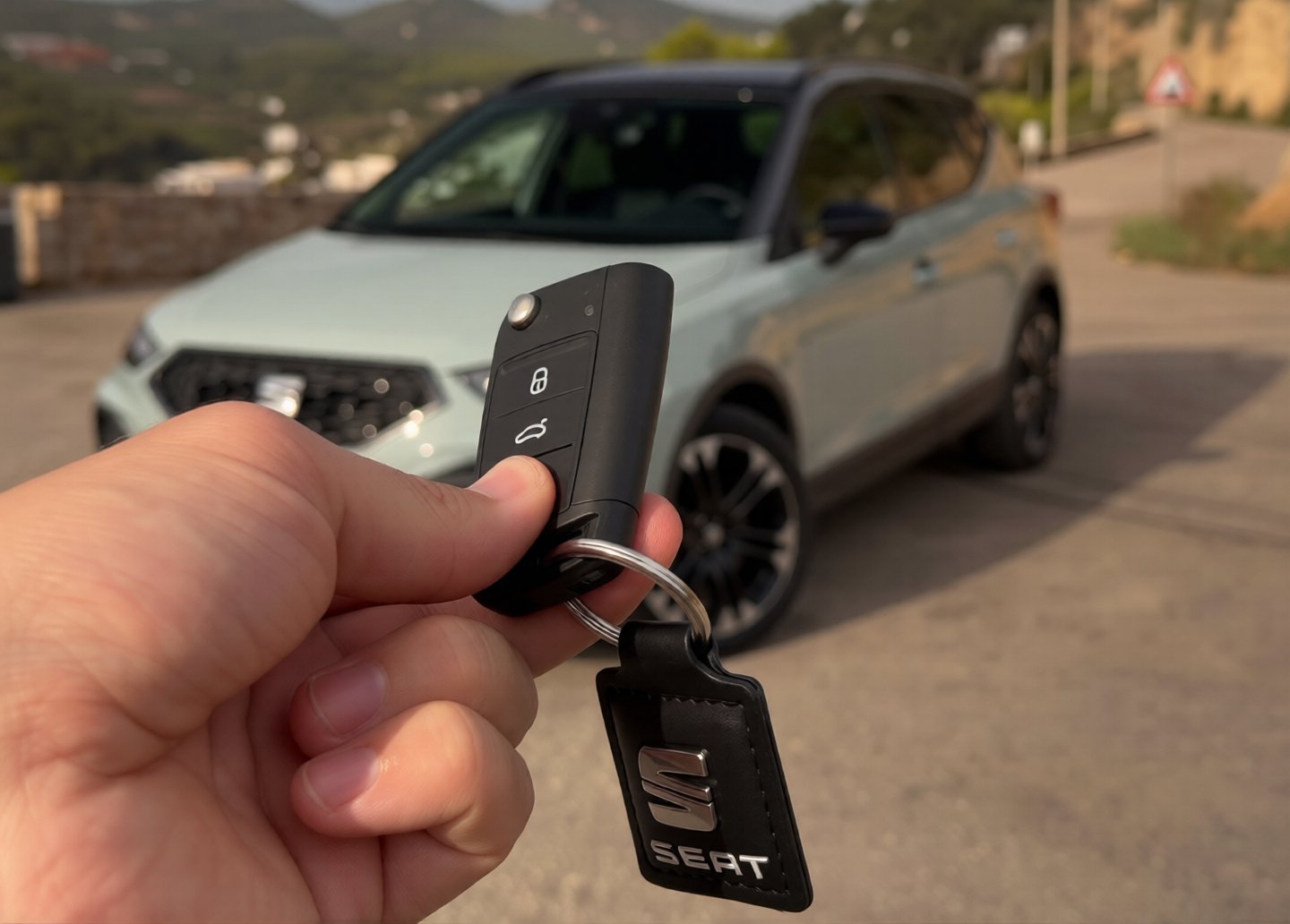
3. Lost or damaged keys
Lost keys are excluded from cover – and so is theft of the car resulting from the keys being lost, which is a considerably more serious sum. A modern car key is not a piece of metal: it carries an immobiliser chip that has to be programmed to the individual vehicle. Replacement therefore costs accordingly, and the price depends on the model: for the hybrid Mazda 2 in our fleet it can reach around €900.
This is one of the few mistakes on Madeira that a higher level of cover does not absorb. A key left in a beach bag, dropped on a levada trail or soaked by a spilled drink becomes a direct cost to the hirer.
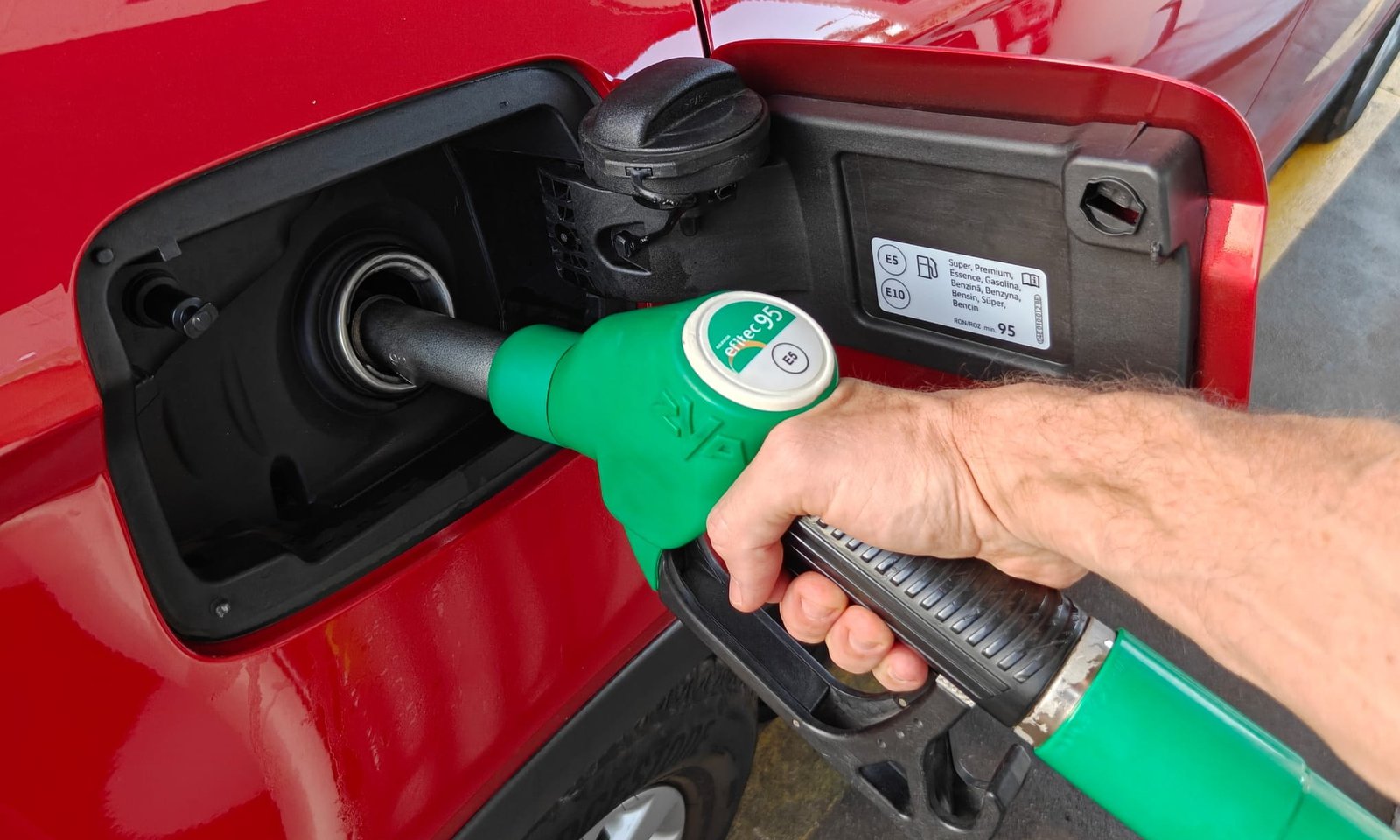
4. The wrong fuel
No cover level removes liability for refuelling with the wrong fuel. It is worth being absolutely precise here: the entire Girassol.Rent fleet runs on petrol – 95 octane, with 98 acceptable and diesel must never be put into any of our cars.
Misfuelling counts as a direct cost to the hirer, and not only when damage follows. The rental terms provide for a misfuelling charge – typically from €150 to €500 depending on the model – covering recovery, draining and replacement of the fuel and the preventive check that follows. Where actual damage occurs, the repair is paid for separately, at the workshop’s rates.
If the mistake has already happened, the order of events is this. You realise at the pump that you have put in the wrong fuel, but have not started the engine: do not start it. Phone the company manager on the number given in the contract and follow their instructions. If the engine has already been started, the car must not be driven any further, even if it appears to be running normally: switch off the engine and report the incident to the company manager immediately. That is how you avoid a considerably larger bill.
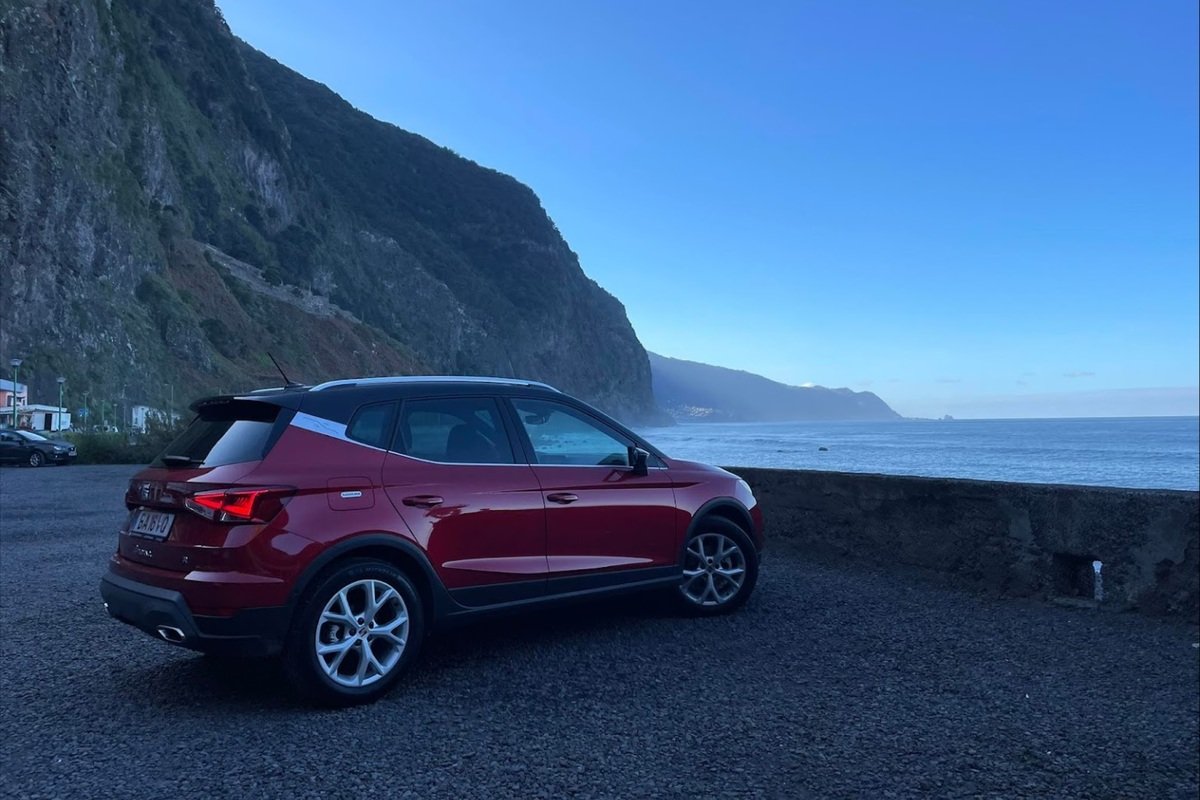
5. Negligence, prohibited use and leaving Madeira
Damage caused by improper or careless use of the car is not covered at any level of insurance, and neither is damage caused deliberately. The same applies to driving under the influence of alcohol or drugs, and to sporty or aggressive driving. Driving off public roads falls under this heading as well as under the surfaced-road rule above.
Two conditions are worth knowing before you set off rather than afterwards:
- The car may not leave the island of Madeira. No crossings to the mainland and no ferries to another island, however short the route.
- Every incident must be reported, however minor it looks. In the event of an accident or a breakdown, the hire company must be told immediately, and the police must be called so that an official report is obtained. If that is not done, cover can be invalidated altogether and full responsibility for the car stays with the driver.
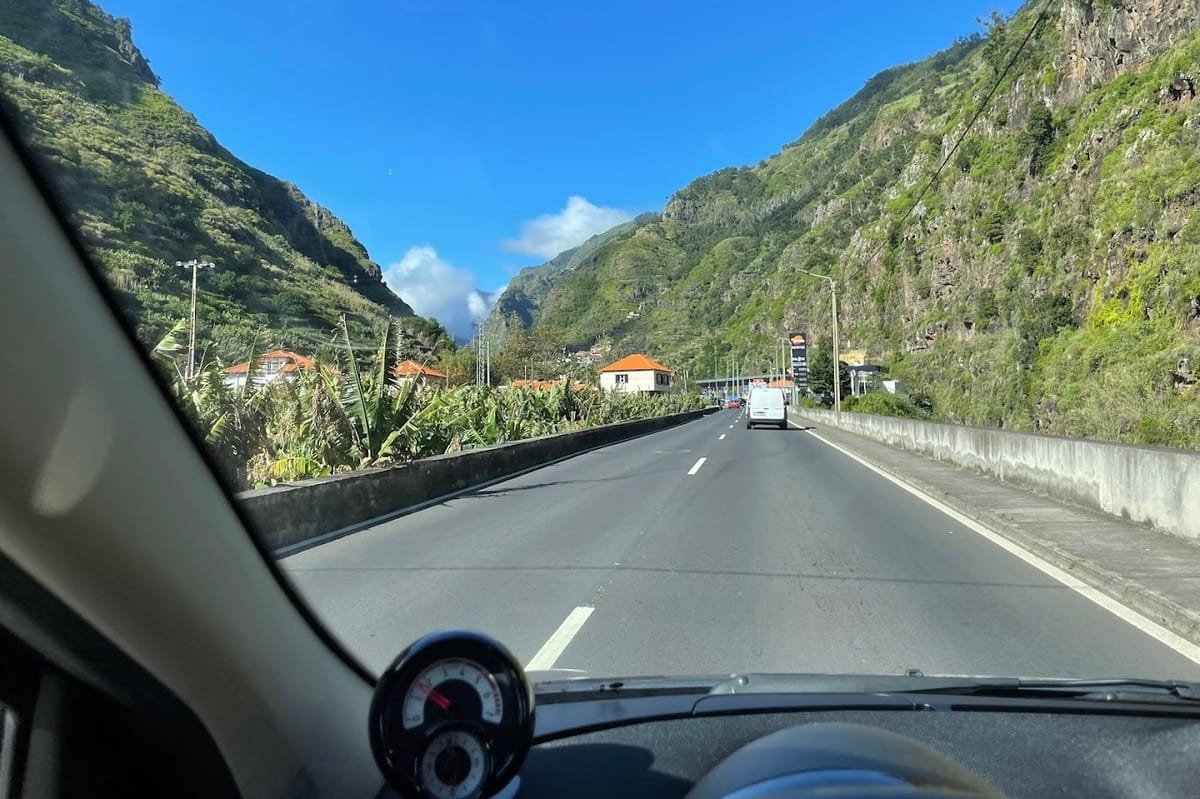
6. Fines, personal belongings and recovery
Parking fines, speeding fines and other traffic offences remain the driver’s responsibility whatever the cover level – as do costs arising from police involvement in recovering a car that has not been returned. Personal belongings left in the car are not covered: theft of items from the vehicle falls outside the policy. Recovery costs where the car has run out of fuel are not included in the hire price. What they come to depends on where the car stops. If it runs dry on a motorway, it has to be recovered off the motorway and the road service will invoice for it – possibly around €300. Anywhere else there are two options: a tow truck, or roadside assistance, which can work out cheaper (delivery of the fuel plus the fuel itself). Recovery costs resulting from damage to the car are likewise not covered – even where the damage was caused by third parties.
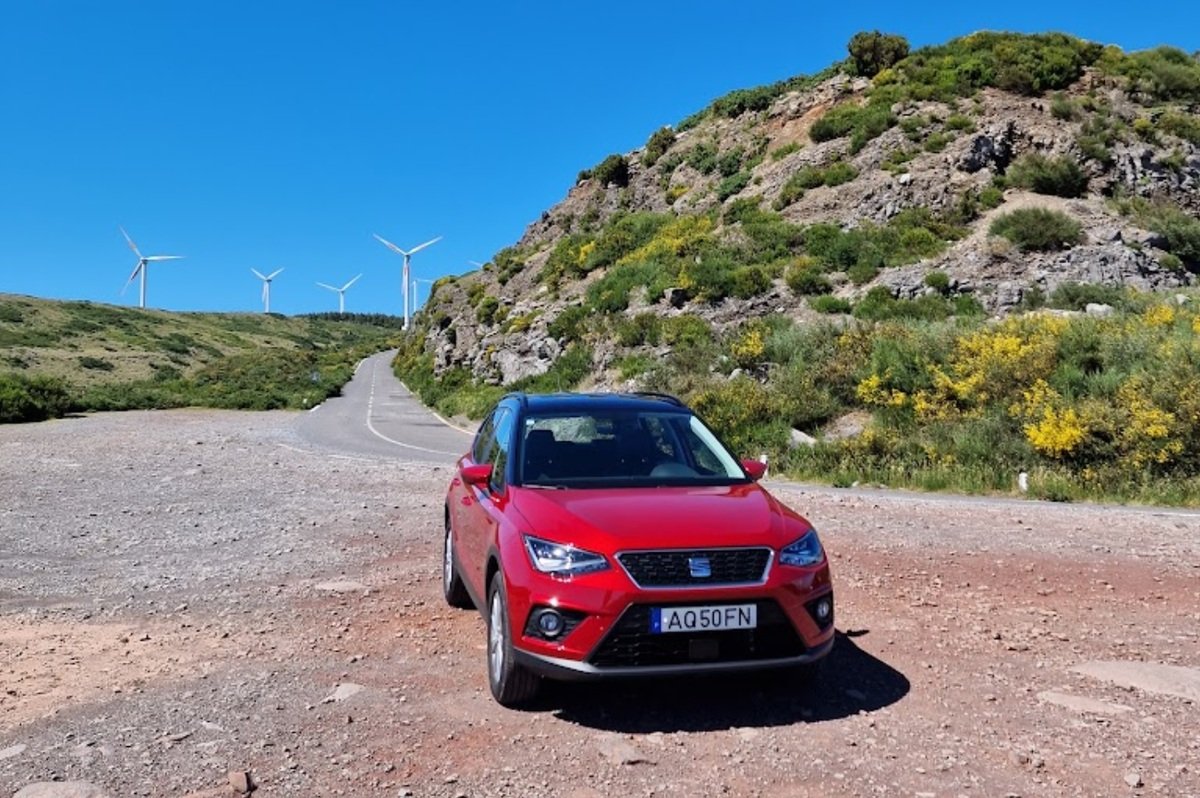
Parking on Madeira: what “surfaced” means in practice
Almost every viewpoint, trailhead and levada starting point on Madeira can be reached by a surfaced road. What matters is something else: whether the last twenty metres – the ones where the car actually stops – are surfaced too. This is where the island takes visitors by surprise more often than almost anywhere else in Europe.
What to look at before you turn in. Look at the surface under the wheels, not at the view. Asphalt and concrete are fine. Gravel, packed earth, sand, grass and bare rock are not, and the difference is often visible before you even turn into the car park. Then watch for the things that can damage the car from below: loose stones standing proud of the surface, chippings along the edges, an open drainage channel across the entrance, low stone kerbs. Allow for gradient as well: a steep loose entrance is worse than a level one, because the car approaches it slowly but loaded. And after rain, ground that was firm in the morning can be soft by the evening.
Why the liability sits with the driver and not the policy. An uneven surface damages a car even at walking pace, and what suffers are the parts that sit lowest and stick out furthest: rims, tyre sidewalls, sills, the underside of the front bumper and the underbody. Because the car is off a surfaced road, the contract leaves that damage with the hirer at any cover level – the opposite of what most people expect, where full cover closes the matter.
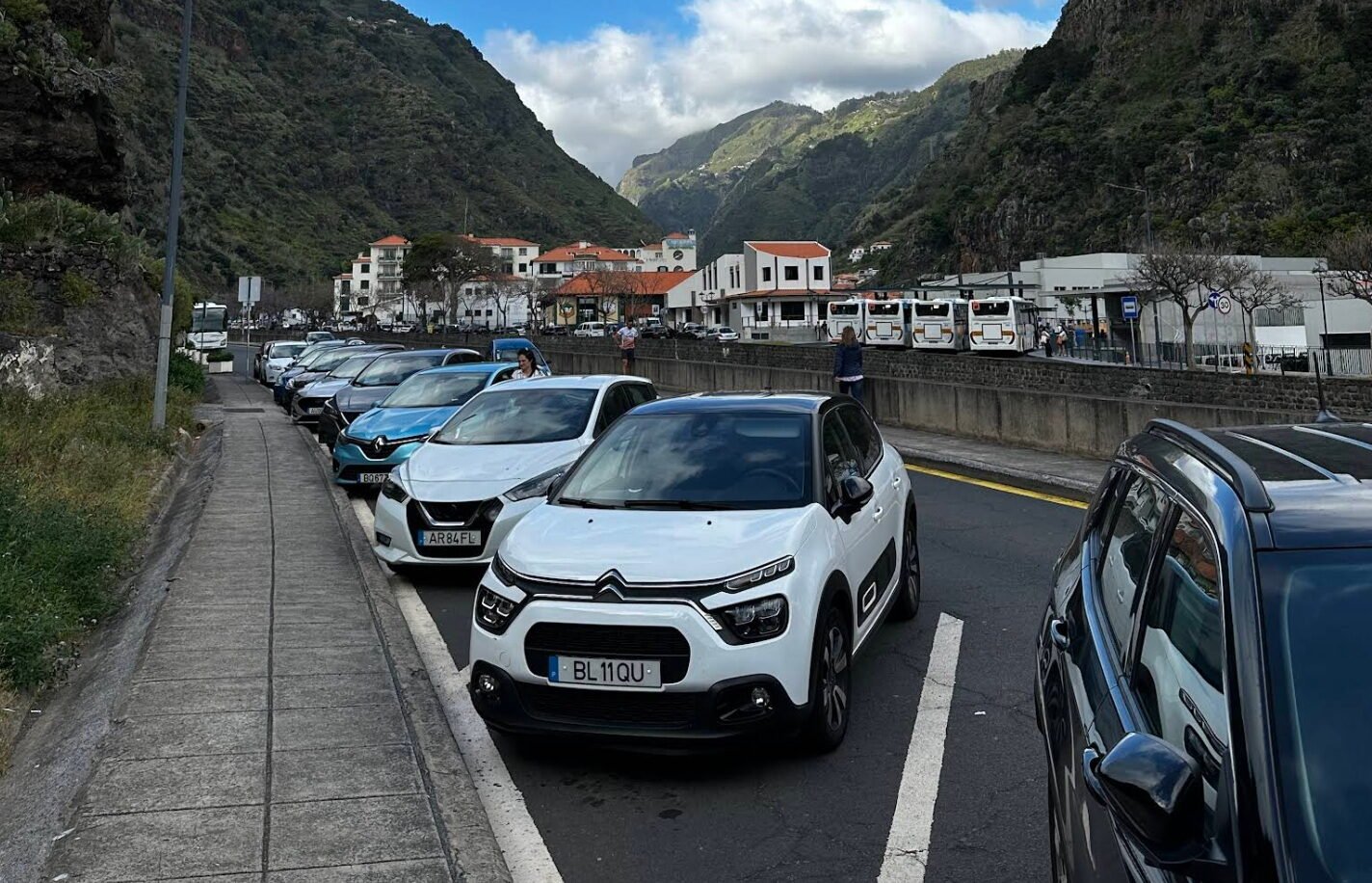
Tight spaces and the neighbour’s door. Car parks on Madeira are often cut back to the bare minimum, with very little room between bays. That brings its own kind of damage: when someone opens a door against a car parked close beside it, the result is very often a dent in the neighbouring car’s panel – and with a hire car, that neighbour can be you. It happens far more in supermarket and town-centre car parks than on mountain roads, and it is exactly the kind of bodywork damage that both full cover (€15 a day) and partial cover (€10 a day plus the refundable €350 deposit) take care of. If you chose the deposit-only option, the repair is deducted from the deposit.
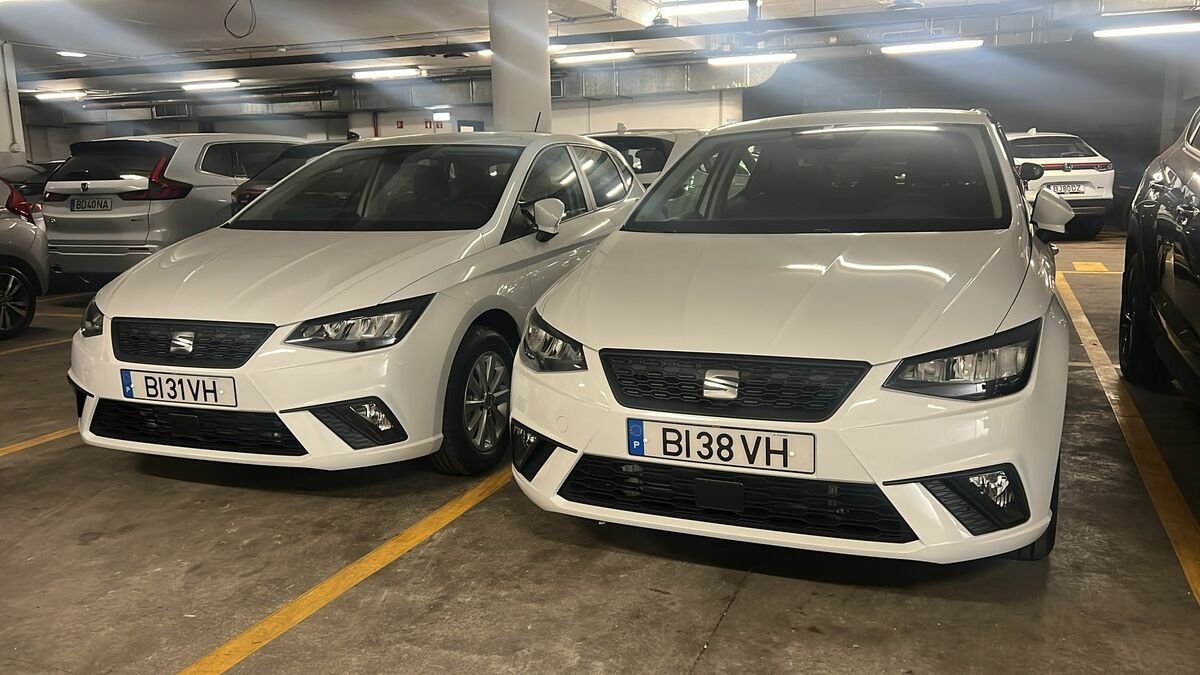
How to park so you never have to think about it again.
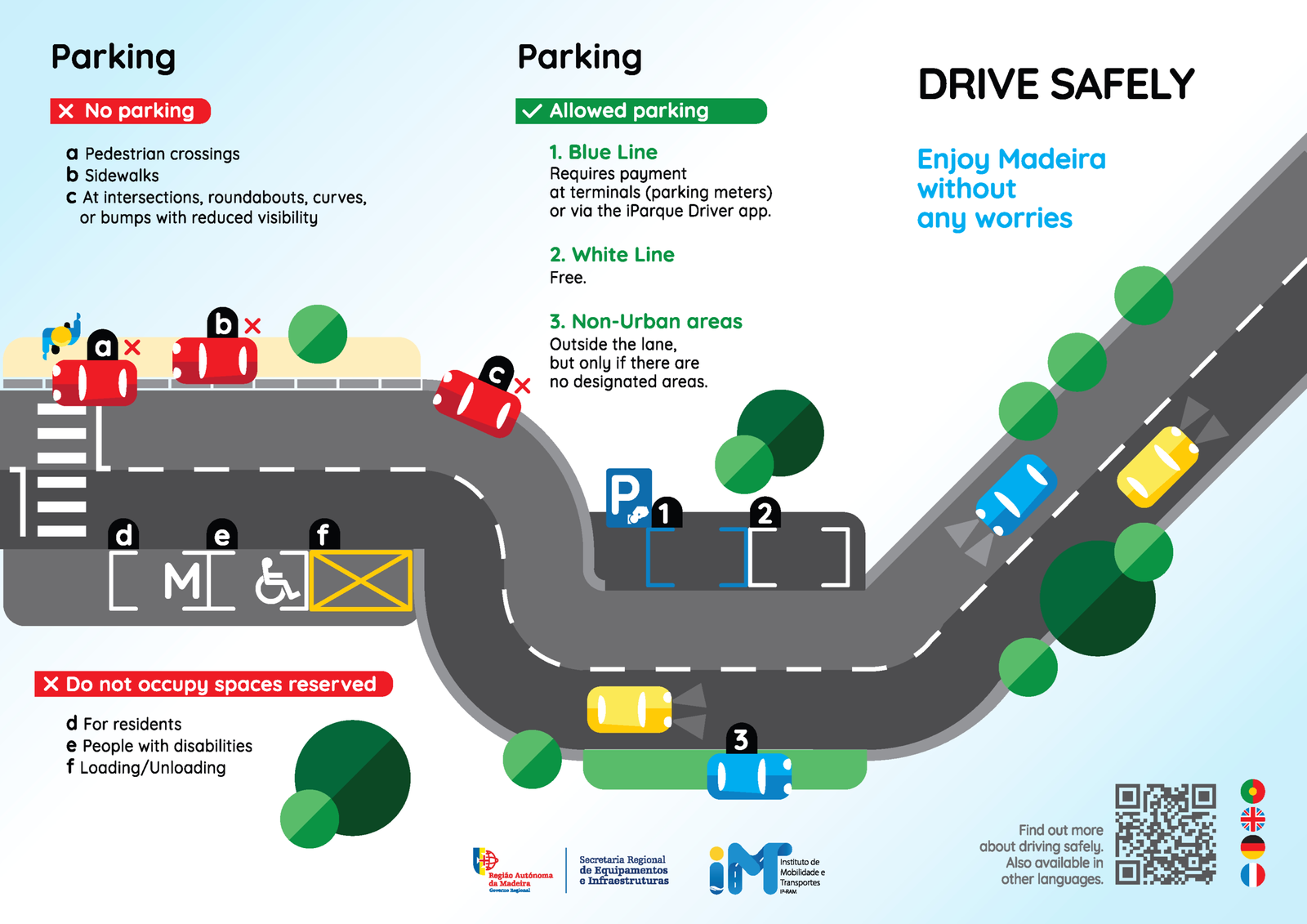
- Use the official car park where there is one, even if it costs a small fee or a few hundred metres on foot. Levada walks and viewpoints almost always have a car park a little before the trailhead, precisely because this problem is well known locally.
- Look at the ground first, then decide, not the other way round. Stopping to look costs you nothing at all and takes about thirty seconds, and it can save you hundreds of euros.
- If there is no car park, stop in a proper surfaced lay-by clear of the traffic lane, or turn round and park further on where the road is wider. On a mountain road, “half on the asphalt, half on the verge” is the worst of all options.
- Choose a space for the room beside it. Where you can, take an end bay or a space with a wall or kerb on one side, and avoid squeezing in between two cars with a hand’s width to spare on either side.
- Watch the road edge. On hairpins and narrow village streets the surface ends at a raised stone kerb: catching it is easy, and it means a damaged rim, a tyre, or even a scrape along the sill.
- Leave the car on the road for the last stretch of a walk. Walking the last few hundred metres from where you parked up to the trailhead or the viewpoint is usually the most enjoyable part of the day in any case – and it removes the whole question of unplanned damage and expense.
Third-party excess insurance: paying now to claw it back later
Alongside whatever the hire company offers, more and more visitors buy a separate “excess reimbursement” policy from an independent insurer before they travel. It works differently from the company’s own cover: if something happens, you still pay the hire company’s standard excess (and it may still be held on your card as a deposit), and then claim that amount back from the third-party insurer.
The trade-off is simple: you pay less upfront – sometimes only a few euros for the whole trip – but you have to see the claim through yourself, with your own documents and photographs as evidence. Full cover with the hire company takes that step away altogether: you pay a little more at the time of booking and the matter is settled, rather than left to be sorted out after you get home.
One thing is worth stating plainly, because it catches people out: a third-party policy reimburses the excess, but it does not turn an excluded situation into a covered one. Interior damage, a lost key or damage sustained off a surfaced road are excluded by the rental contract itself, so there is no excess to claim back.
The deposit: how much, and when it comes back
Whatever cover level you choose, most hire companies place a temporary hold on a credit or debit card at collection, separately from the hire charge itself. At Girassol.Rent, drivers on full cover may have a smaller amount held for possible costs such as fuel, depending on the terms agreed at pick-up; drivers on partial cover have a refundable €350 deposit held; and drivers who choose the option with no daily premium have €500 held as a refundable deposit.
How long the hold takes to lift depends mainly on the card issuer rather than on the hire company: once it has been lifted at the company’s end, a bank may take anywhere from a few days to a few weeks to make the funds available again. This is standard practice across the industry, and it is worth knowing for anyone travelling on a tight budget immediately after their trip.
How to read your agreement in two minutes
Before you sign anything, six questions will tell you almost everything that matters:
- What is my excess, and does it change if I add extra drivers?
- Are wheels, glass and mirrors included, or excluded?
- Is there a deposit, how much is it, and how is it returned?
- Does my cover level require an inspection at pick-up and return?
- What fuel does the car take, and what are the refuelling terms?
- What does the contract say about driving and parking off surfaced roads? The answer decides where you can leave the car, for instance for a whole week of hire, so it is worth establishing before your first viewpoint rather than at your first car park.
At Girassol.Rent, the answer to the fourth question is straightforward for the large majority of clients: because full cover is the default and is chosen by around 95% of drivers, there is no formal inspection – the terms are already confirmed in the contract before you arrive, as part of the same process described in our guide to How to Hire a Car in Madeira.
Practical information: questions to ask before choosing a cover level
- Does the quoted daily rate include full cover, or is it added on top? A lower-looking headline figure sometimes hides this.
- What exactly is excluded – ask about wheels, glass, mirrors and underbody by name rather than settling for “some exclusions apply”.
- Is there a deposit, how much is it, and on which card is it held? This affects the funds you need available during your trip, not just the cost of insurance.
- Does your credit card or travel insurance include rental excess reimbursement? If so, check whether it applies outside your own country before counting on it.
- What does the cover level do about interior damage, lost keys, the wrong fuel and driving off surfaced roads? The honest answer at every level is that it does none of it, so the practical question comes down to where you park and what you put in the tank.
- If you choose the cheaper option, are you comfortable paying for a damaged wheel, windscreen or mirror out of your own pocket if it happens? That is the honest question basic cover asks you to answer for yourself.

Frequently asked questions
- Is full cover worth the money?
For most visitors, yes: it takes away the two or three most common small risks (a kerbed wheel, a stone chip, a clipped mirror) for a fixed and predictable daily sum, and it means no inspection at pick-up or return. - Does full cover include damage to the interior?
No. Interior damage is excluded at every level, full cover included, whatever the cause – an accident or ordinary beach wear such as wet gear, sand or spilled drinks. - What happens if I lose the car key?
Lost keys are not covered, and neither is theft of the car resulting from the keys being lost. The cost of replacement is paid by the hirer; it depends on the model and can reach around €900 for the hybrid Mazda 2. - What should I do if I put the wrong fuel in the car?
If that happens, do not drive the car and phone the company manager at once. No cover level removes liability. The whole fleet runs on petrol – 95 octane, with 98 acceptable; diesel is never used. The rental terms provide for a charge of roughly €150 to €500 depending on the model, covering recovery, draining and replacement of the fuel; any repair is charged separately. - Can I park on a gravel or earth area at a viewpoint?
The contract requires the car to stay on a surfaced road – asphalt or concrete. Damage sustained off a surfaced road stays with the hirer even under full cover, so it is better to use the official car park or a surfaced lay-by. - Does full cover apply if I damage a wheel on an unsurfaced road?
No. Driving and parking off surfaced roads sit outside the insurance structure, so the cost of a damaged rim, tyre, sill or underbody in that situation is the hirer’s. - What does “excess” mean when hiring a car?
It is the amount you pay if the car is damaged, before any cover applies; a smaller excess or comprehensive cover reduces that liability. - Can I use my credit card’s cover instead of the company’s insurance?
Some cards offer it, but terms vary between banks and countries, and many require you to decline the company’s cover altogether for it to apply. Check your card’s terms carefully, ideally some weeks before you travel. - Does full cover include fines and traffic offences?
No. Full cover relates to accidental damage to the car. Parking fines, speeding fines and the like remain the driver’s responsibility at any cover level. - What should I do if I have an accident?
Report it to the hire company and call the police on 112 to obtain an official report. If you do not, cover can be invalidated and full responsibility for the car stays with the driver.
If you are still weighing up the cover levels for your trip – or want to know exactly what each one includes, and what to look out for before leaving the car on uneven ground – our team at Girassol.Rent is happy to talk it through.

Phone / WhatsApp / Telegram: +351 961 778 886
Email: book@girassol.rent
Contacts page: https://girassol.rent/contacts-girassol-rent/